
- Home
- Procedures
- Umbilical hernia surgery in Tijuana
Umbilical hernia surgery in Tijuana
Repair of the wall defect at the navel, with or without mesh depending on size. It is usually a day-surgery procedure, with discharge the same day.
Why the navel is a weak point
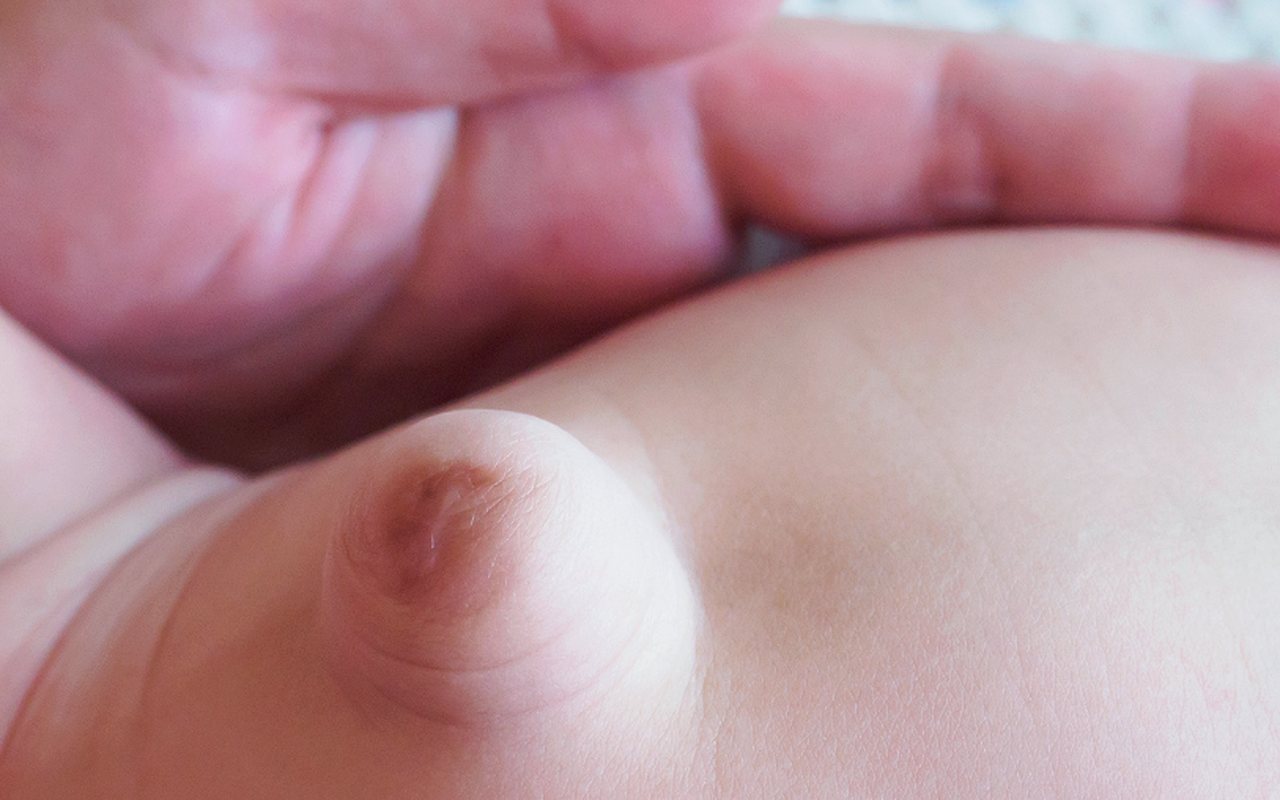
The navel is the scar of the umbilical cord: the one site in the midline where the abdominal wall closed after birth instead of forming continuously. That point stays structurally more fragile for life, and anything that raises pressure inside the abdomen can open it.
The factors that most favour it are overweight, pregnancy, repeated physical exertion, chronic cough, constipation and accumulation of fluid in the abdomen. In adults an umbilical hernia virtually never closes on its own, unlike what happens in many small children.
How it is repaired, and when mesh is used
Surgery is performed through a small incision at the edge of the navel, or laparoscopically. The herniated contents are reduced into the abdomen, the edges of the defect are identified and the fascia is closed. In small defects direct suture may suffice; above a certain size a mesh is placed to spread the tension.
The practical rule is simple: the larger the defect and the more risk factors the patient has, the stronger the indication for mesh. Closing a large defect under tension is the well-known recipe for the hernia coming back. The type of mesh and its position are decided from the size, the body mass index and whether there have been previous repairs.
Recovery
Most cases are day surgery: the patient comes in during the morning and goes home the same day. Pain is moderate and controlled with oral analgesics for the first few days. The wound is kept clean and dry as instructed.
Return to desk work is usually within a week. Exertion, lifting and abdominal exercise are deferred for four weeks or more, according to the size of the defect repaired. That is the instruction most often broken, and the one that produces most recurrences.
What the procedure involves
When it is indicated
- Adult umbilical hernia, symptomatic or growing
- Paraumbilical or supraumbilical midline hernia
- Recurrent umbilical hernia after previous repair
- Incarcerated umbilical hernia, as an emergency
- Umbilical hernia associated with rectus diastasis
- A hernia that prevents work or sport
Techniques and resources
- Polypropylene or composite mesh
- Slow-absorbing suture
- Local anaesthesia with sedation, regional or general
- Laparoscopic tower in selected cases
- Abdominal wall analgesic block
Frequently asked questions about umbilical hernia surgery
In small children many umbilical hernias close spontaneously during the first years of life, and watchful waiting is the usual approach. In adults it does not happen: the defect does not close on its own and tends to grow over time.
In the great majority of cases, no. The technique preserves the shape of the navel. Only in very large hernias, with very thinned or damaged umbilical skin, may it need to be reconstructed or removed — and that is discussed before surgery, not afterwards.
Yes. It is common to repair an umbilical hernia in the same sitting as a cholecystectomy or another planned abdominal operation, provided the field is not contaminated. That saves one anaesthetic and one recovery.
Bring your studies and settle the question
One consultation with your ultrasound or CT in hand is worth more than ten internet searches. Book by phone or through the form and you will be told what is there, what it means and what your options are.