
- Home
- Procedures
- Lipoma surgery in Tijuana
Lipoma surgery in Tijuana
Complete excision of lipomas and other benign soft-tissue lesions, usually under local anaesthesia as day surgery, with histopathological study of the specimen.
What a lipoma is, and when it should come out
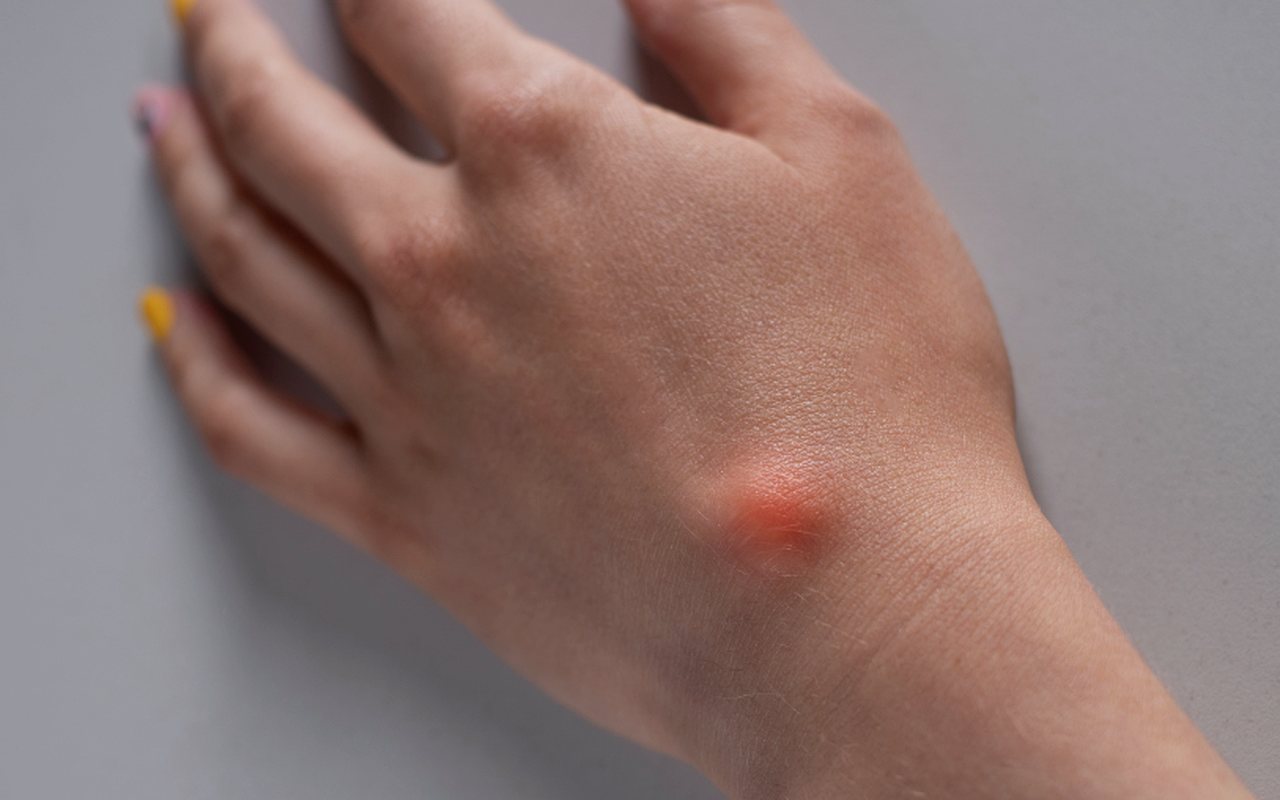
A lipoma is a benign tumour formed of fat cells, wrapped in a thin capsule. It feels like a soft ball, mobile under the skin, painless and growing very slowly. It is one of the commonest soft-tissue lesions and is not, in itself, dangerous.
Removal is recommended in several scenarios: when it grows, when it hurts or compresses neighbouring structures, when its location interferes with clothing or activity, when it is unsightly in a visible area, and — the most important reason — when the diagnosis is not entirely certain. A soft-tissue tumour growing quickly, fixed to deep planes or larger than five centimetres should be investigated before assuming it is a lipoma.
How the procedure is performed
Most are resolved under local anaesthesia: the area is infiltrated, an incision is made over the lesion and the whole lipoma is dissected out, respecting its capsule. Taking it out intact is what prevents recurrence; fragmenting it leaves remnants that grow again.
In large, deep or multiple lipomas, or in delicate locations — near nerves, vessels or joints — sedation or general anaesthesia and prior imaging may be needed. The incision is planned along the natural lines of the skin so the scar is as inconspicuous as possible.
The specimen always goes to pathology
Even when the appearance is the classic one, the specimen is sent to the histopathology laboratory. This is not bureaucracy: there is a malignant tumour of fatty tissue, the liposarcoma, whose well-differentiated form can look like a lipoma to the naked eye.
The probability is low, but the cost of not checking is high and the cost of checking is minimal. The result is delivered and explained at the follow-up visit, along with removal of stitches if the suture was not absorbable.
What the procedure involves
When it is indicated
- A lipoma that grows, hurts or compresses neighbouring structures
- A lipoma in a visible area with cosmetic impact
- A lipoma interfering with clothing, a belt or physical activity
- A soft-tissue lesion of uncertain diagnosis
- Multiple lipomas requiring staged excision
- Sebaceous cysts and other benign lesions of skin and subcutaneous tissue
Techniques and resources
- Local anaesthesia with or without sedation
- Minor surgery instrument set
- Electrocautery
- Cosmetic skin suture
- Routine referral to histopathology
Frequently asked questions about lipoma surgery
Aspiration techniques exist for selected lipomas, with the advantage of a minimal scar. The disadvantage is that they make it harder to remove the whole capsule and to obtain an adequate specimen for pathology, so recurrence is likelier. The technique is chosen in clinic, with those trade-offs explained.
A true lipoma does not transform into cancer. What exists is a different malignant tumour, the liposarcoma, which can be clinically confused with a lipoma. That is why rapidly growing lesions, those larger than five centimetres or fixed to deep planes are investigated, and why every specimen is sent to pathology.
It depends on the number, size and location. Several can be grouped into one sitting when they are close together, but with very numerous lipomas a staged plan is usual so the procedure is not unduly prolonged.
Bring your studies and settle the question
One consultation with your ultrasound or CT in hand is worth more than ten internet searches. Book by phone or through the form and you will be told what is there, what it means and what your options are.