
- Home
- Procedures
- Thyroid surgery (thyroidectomy) in Tijuana
Thyroid surgery (thyroidectomy) in Tijuana
Total or partial thyroidectomy for a nodule, goitre, hyperthyroidism or suspected malignancy, with specific care of the nerves of the voice and of the parathyroids.
What thyroid surgery treats, and why
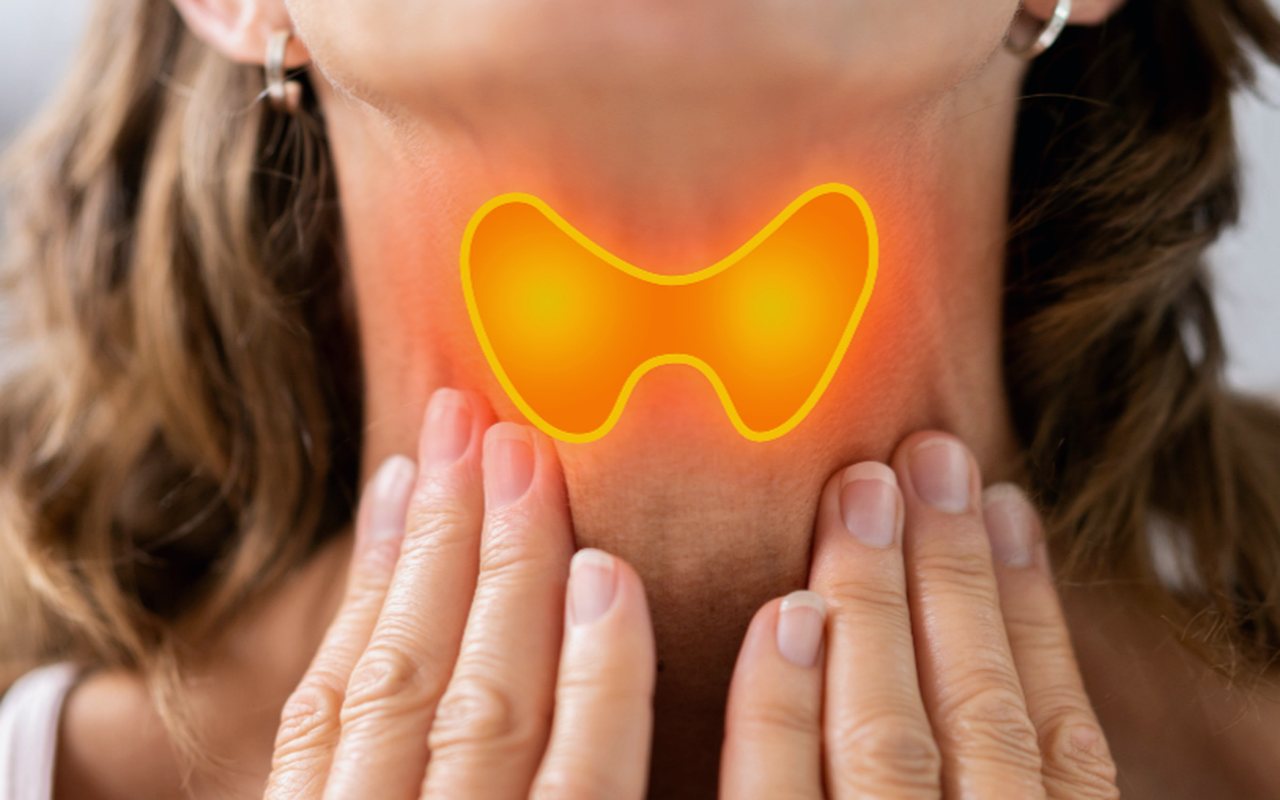
The thyroid is a gland in the front of the neck producing the hormones that regulate metabolism. It is operated on for four broad reasons: a nodule suspicious for or diagnosed as cancer, a goitre compressing the airway or oesophagus, hyperthyroidism not controlled by medication or radioactive iodine, and a nodule growing steadily.
Most thyroid nodules are benign and do not require surgery; they are monitored with ultrasound and thyroid function tests. The tool that separates those needing surgery from those that do not is ultrasound-guided fine-needle aspiration biopsy. Operating on every nodule would be as wrong as investigating none.
What is protected during the operation
Two structures define the quality of this surgery. The first are the recurrent laryngeal nerves, which control the vocal cords: injury produces hoarseness and, if bilateral, airway compromise. The second are the four parathyroid glands, which regulate calcium and are the size of a lentil.
That is why the technique rests on identifying before cutting: the course of the nerve is visually followed and the parathyroids are preserved with their blood supply wherever possible. Dissection stays close to the capsule of the gland, with controlled energy. A surgeon working fast but blind in this neck is a problem, not a virtue.
After thyroidectomy
The hospital stay is usually 24 to 48 hours, with calcium monitoring after total thyroidectomy. There may be transient hoarseness and discomfort on swallowing during the first days. The scar is placed in a natural crease of the neck and becomes barely visible over time.
If the whole gland was removed, the patient will need lifelong thyroid hormone replacement, with dose adjustment guided by labs. That is not an adverse effect: it is the expected and planned consequence of the operation. If only one lobe was removed, in many cases the remaining lobe maintains function without supplementation.
What the procedure involves
When it is indicated
- Thyroid nodule with suspicious or malignant cytology
- Multinodular goitre with compressive neck symptoms
- Hyperthyroidism not controlled by medical treatment
- A nodule growing steadily on follow-up
- Goitre with retrosternal extension
- Confirmed thyroid cancer
Techniques and resources
- Neck surgery instrument set
- Advanced energy sealing devices
- Magnifying loupes
- Intraoperative frozen section where required
- Drain in selected cases
Frequently asked questions about thyroid surgery
The incision is placed in a natural crease of the neck and closed with technique that favours a fine scar. It is more visible during the first months and then fades. Scar care — sun protection above all — has a considerable influence on the final result.
If the whole gland is removed, yes: thyroid hormone replacement, one tablet daily on an empty stomach, adjusted by lab results. If only one lobe is removed, in a good share of cases the remaining lobe maintains function and no supplement is needed, although it is monitored.
Transient hoarseness can occur from handling and usually resolves within weeks. Permanent nerve injury is uncommon, and it is exactly what the identification technique is designed to prevent. The specific risk in your case is explained in the informed consent.
Bring your studies and settle the question
One consultation with your ultrasound or CT in hand is worth more than ten internet searches. Book by phone or through the form and you will be told what is there, what it means and what your options are.