
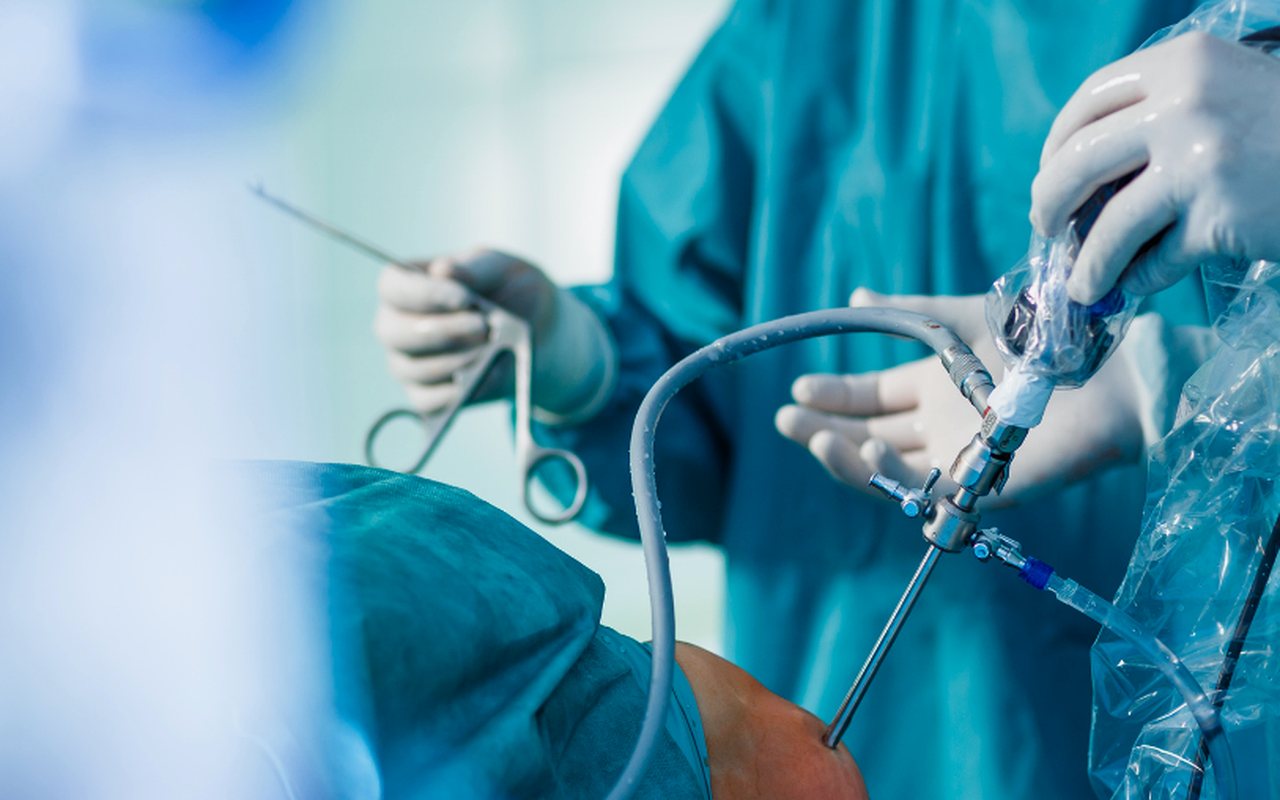
Colorectal surgery
The diseased segment is resected and continuity restored. Where there is cancer, margins and lymphadenectomy rule.
See the procedure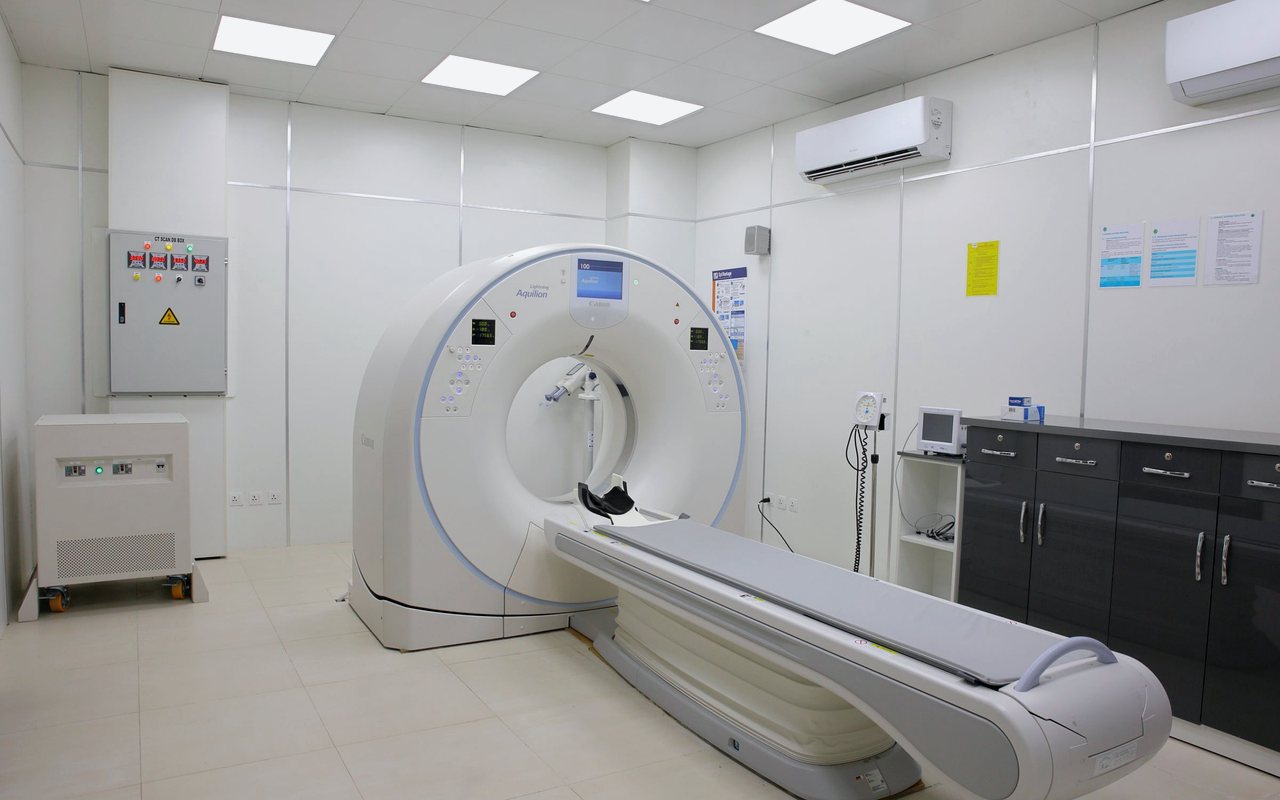
Small pouches in the wall of the colon. They almost never cause trouble; when they inflame they produce diverticulitis, and recurrence or complication is what leads to theatre.
Diverticula are small pouches that form in the wall of the colon, above all in the sigmoid, when pressure inside the bowel pushes the mucosa through weak points in the muscular layer. Having them is called diverticulosis and it is very common from age 50; the vast majority of people who have them will never know.
The problem appears when one of those diverticula inflames or becomes infected: that is diverticulitis. It presents with persistent pain in the lower left abdomen, fever and a change in bowel habit. Abdominal CT is the study that confirms the diagnosis and, above all, distinguishes an uncomplicated presentation from a complicated one.
That distinction changes everything. Uncomplicated diverticulitis is usually managed with medical treatment — bowel rest, antibiotics where indicated, pain control — and does not require surgery. The complicated form, with abscess, perforation, obstruction or fistula, does require intervention, drainage or urgent surgery.
The procedures that may be indicated for this condition. Which one applies to you — if any does — is decided on your imaging and your examination.
The diseased segment is resected and continuity restored. Where there is cancer, margins and lymphadenectomy rule.
See the procedure
There are abdominal presentations measured in hours. This is the list of the ones that cannot wait for Monday's appointment.
See the procedure
A tumour is not removed to find out what it was. It is investigated, the margin is planned, and then it is operated on.
See the procedureSEVERE ABDOMINAL PAIN THAT DOES NOT LET UP, fever with pain in the right side of the abdomen, VOMITING THAT PREVENTS KEEPING FLUIDS DOWN, distension with no gas or bowel movements, A HERNIA THAT HAS TURNED HARD AND CANNOT BE PUSHED BACK IN, or vomiting or stool WITH BLOOD. Go to an emergency department immediately and call (662) 282-1787.
Generally no. Current practice is to individualise: planned surgery is considered when there are repeated episodes eroding quality of life, when there has been a complication, when a fistula or stricture remains, or in patients with particular conditions. A first uncomplicated episode, resolved medically, is not on its own a surgical indication.
That classic recommendation is not supported by current evidence; studies have not found that seeds, nuts or popcorn increase the risk of diverticulitis. What is supported is a high-fibre diet, keeping good bowel transit, physical activity and avoiding tobacco.
Because an episode of diverticulitis can resemble, on imaging and in symptoms, other causes — including a colonic tumour. Colonoscopy is done weeks after the acute episode, not during, and serves to confirm that what was there were diverticula and nothing more.
Not individually. When surgery is indicated, what is done is to resect the affected segment of colon — usually the sigmoid — and join the ends. The diverticula are not «cleaned out» one by one.
One consultation with your ultrasound or CT in hand is worth more than ten internet searches. Book by phone or through the form and you will be told what is there, what it means and what your options are.