
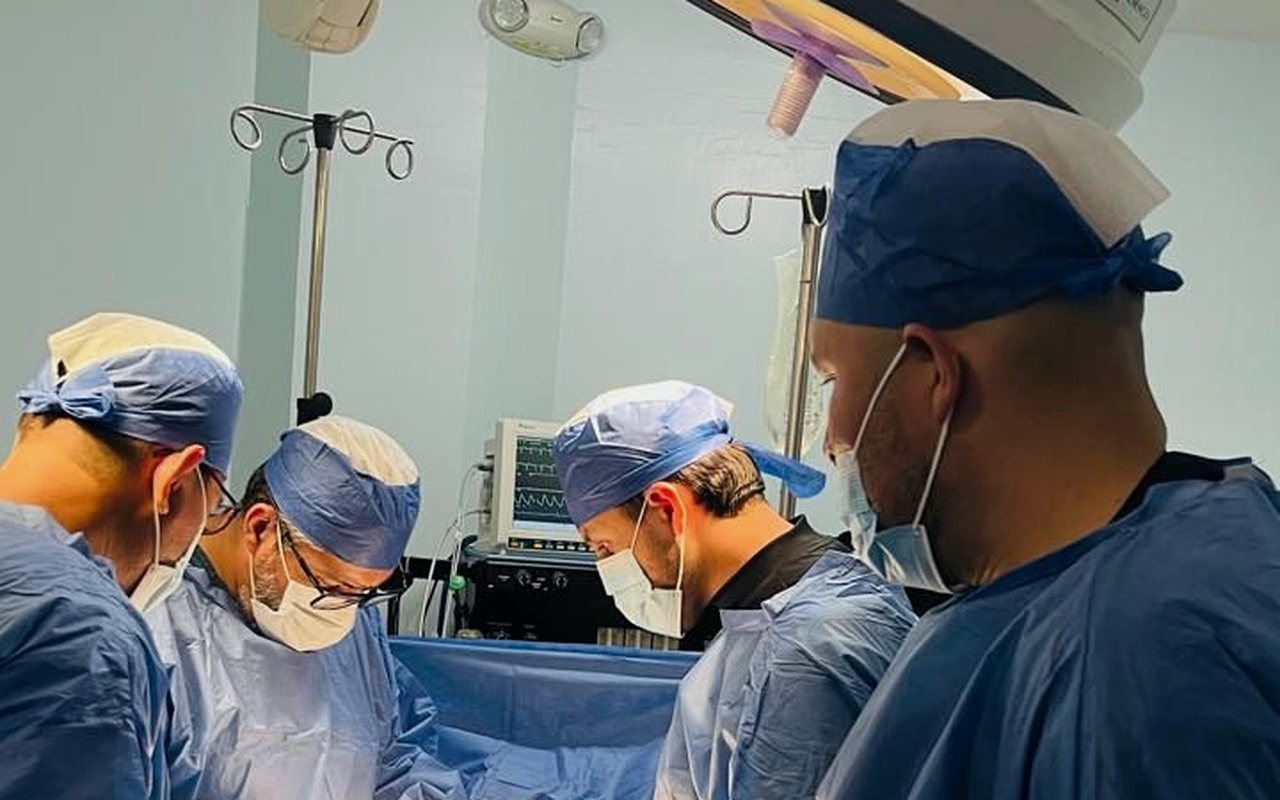
Gastric sleeve surgery
A portion of the stomach is removed and a sleeve remains. Less volume, early satiety, and a nutrition plan that goes with it.
See the procedure
A chronic disease, not a failure of willpower. Bariatric surgery is one more tool, with a clinical indication, a prior work-up and a commitment to follow-up.
Obesity is a chronic, multifactorial disease involving genetics, the food environment, physical activity, sleep, stress, some medications and hormonal conditions. Reducing it to a problem of willpower is as inaccurate as it is useless, and it is usually the reason many patients arrive with years of failed attempts behind them.
Its medical relevance lies in the diseases that accompany it: type 2 diabetes, hypertension, obstructive sleep apnoea, fatty liver, dyslipidaemia, reflux disease, joint pain from overload, infertility and increased risk of several cancers. In many patients that list — not the number on the scale — is what justifies proposing surgery.
Bariatric surgery is not the first resort and does not replace medical and nutritional treatment. It is proposed when established clinical criteria are met, when there have been documented weight-loss attempts without sustained result, and when the patient is willing to change habits permanently and attend lifelong follow-up. Those three points are the real indication; body mass index alone is not.
The procedures that may be indicated for this condition. Which one applies to you — if any does — is decided on your imaging and your examination.
A portion of the stomach is removed and a sleeve remains. Less volume, early satiety, and a nutrition plan that goes with it.
See the procedure
It restricts and also changes the path food takes. It is the procedure with the strongest effect on diabetes and on reflux.
See the procedure
An adjustable ring on the upper stomach. Nothing is cut or rerouted: it is the reversible bariatric procedure.
See the procedure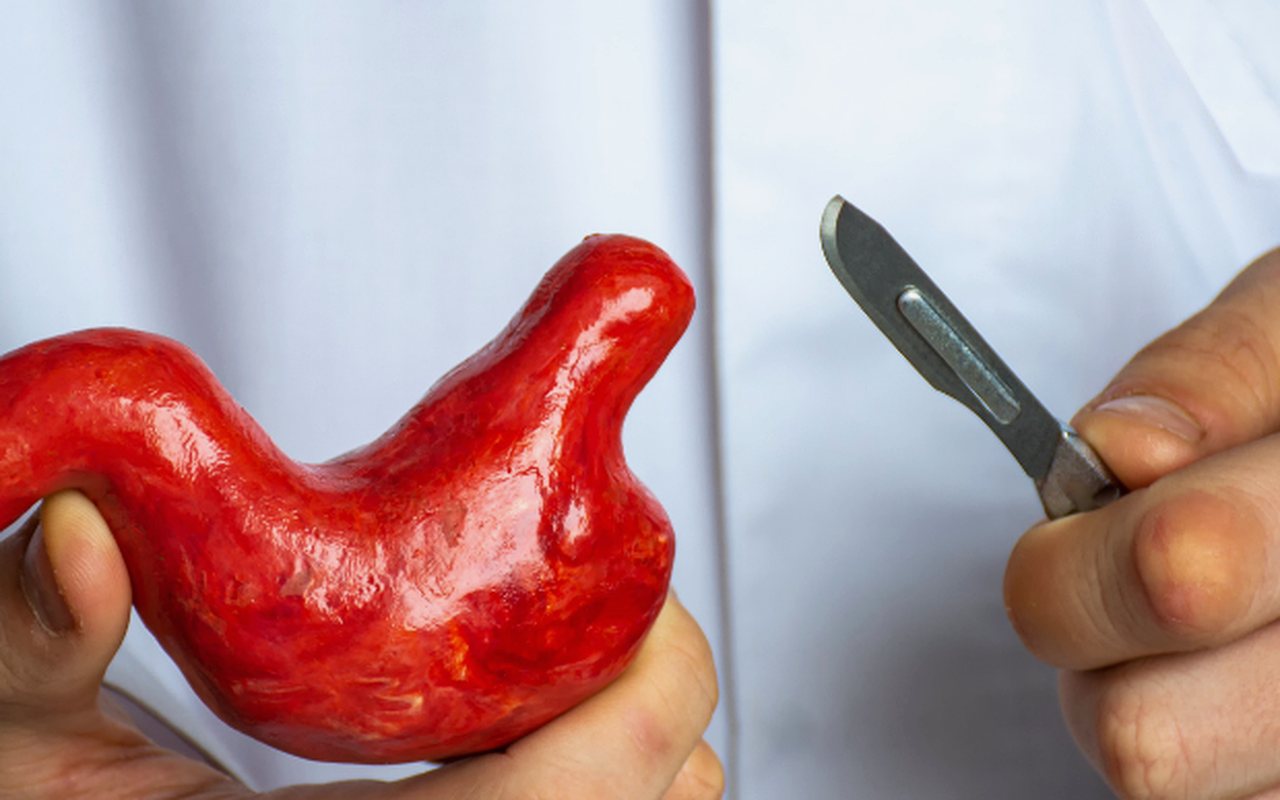
The stomach is returned to the abdomen, the hiatus is closed and an anti-reflux valve is built from the gastric fundus itself.
See the procedureSEVERE ABDOMINAL PAIN THAT DOES NOT LET UP, fever with pain in the right side of the abdomen, VOMITING THAT PREVENTS KEEPING FLUIDS DOWN, distension with no gas or bowel movements, A HERNIA THAT HAS TURNED HARD AND CANNOT BE PUSHED BACK IN, or vomiting or stool WITH BLOOD. Go to an emergency department immediately and call (662) 282-1787.
No. It is a medical treatment of obesity and of the diseases that accompany it. Cosmetic surgery acts on the shape of the body; bariatric surgery acts on metabolism and on health. They are different things with different indications, although they are sometimes combined at different moments of the process.
It can happen, and that is exactly why follow-up is not optional. Long-term weight regain is associated above all with abandoning the eating plan, returning to large portions and losing contact with the team. Patients who sustain follow-up are the ones who best keep the result.
In many cases type 2 diabetes strengthens the indication rather than preventing it, because bariatric procedures — especially the bypass — have a favourable metabolic effect on glucose control. What is required is careful preparation and prior control.
After substantial weight loss, excess skin can remain, especially on the abdomen, arms and thighs. Its management belongs to plastic surgery and is considered once weight has stabilised, usually more than a year after the bariatric operation.
One consultation with your ultrasound or CT in hand is worth more than ten internet searches. Book by phone or through the form and you will be told what is there, what it means and what your options are.