
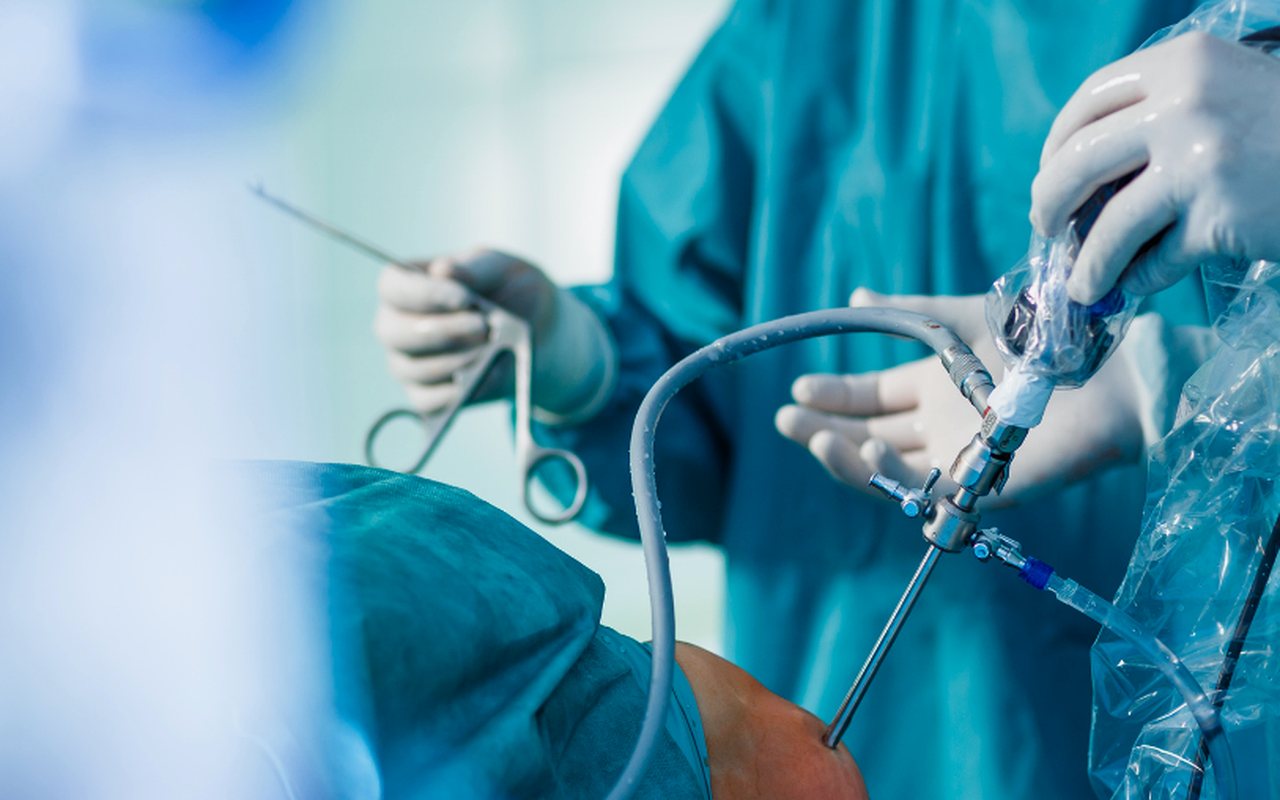
Colorectal surgery
The diseased segment is resected and continuity restored. Where there is cancer, margins and lymphadenectomy rule.
See the procedure
One of the few cancers that can be prevented by removing the polyp before it becomes a tumour. Colonoscopy is screening and treatment at the same time.
Colorectal cancer arises in most cases from a polyp, a benign lesion of the colonic lining that grows for years before transforming. That detail is what makes it different from almost every other cancer: there is a long window in which removing the polyp prevents the tumour entirely.
That window is used through colonoscopy, which is simultaneously a diagnostic study and a therapeutic procedure: it finds the polyp and removes it in the same sitting. That is why screening — usually starting between 45 and 50 in people without risk factors, and earlier with a family history — is among the preventive interventions with the best effort-to-benefit ratio in all of medicine.
Once the tumour is established, treatment is multidisciplinary. Surgery consists of resecting the affected segment with its vascular and lymphatic territory, and in many cases it is combined with chemotherapy, radiotherapy or both, before or after surgery, according to stage and location.
The procedures that may be indicated for this condition. Which one applies to you — if any does — is decided on your imaging and your examination.
The diseased segment is resected and continuity restored. Where there is cancer, margins and lymphadenectomy rule.
See the procedure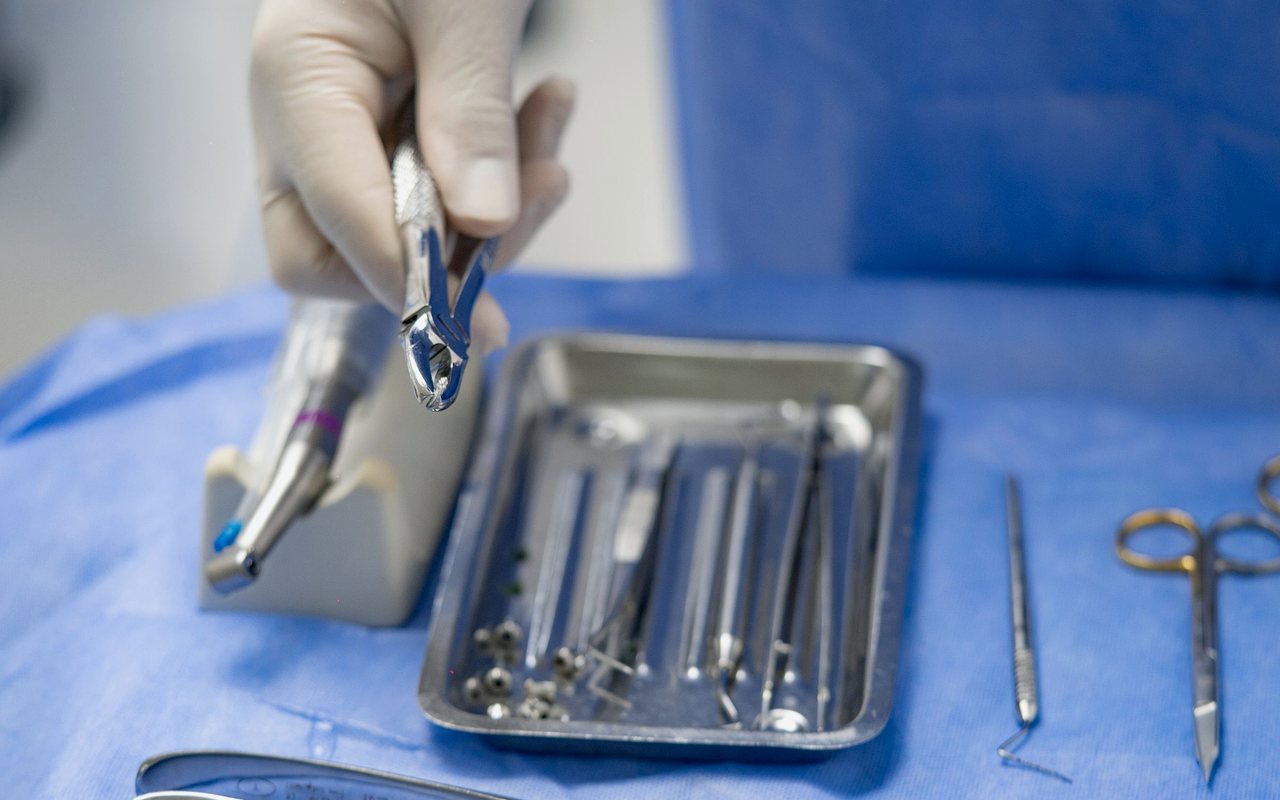
A tumour is not removed to find out what it was. It is investigated, the margin is planned, and then it is operated on.
See the procedure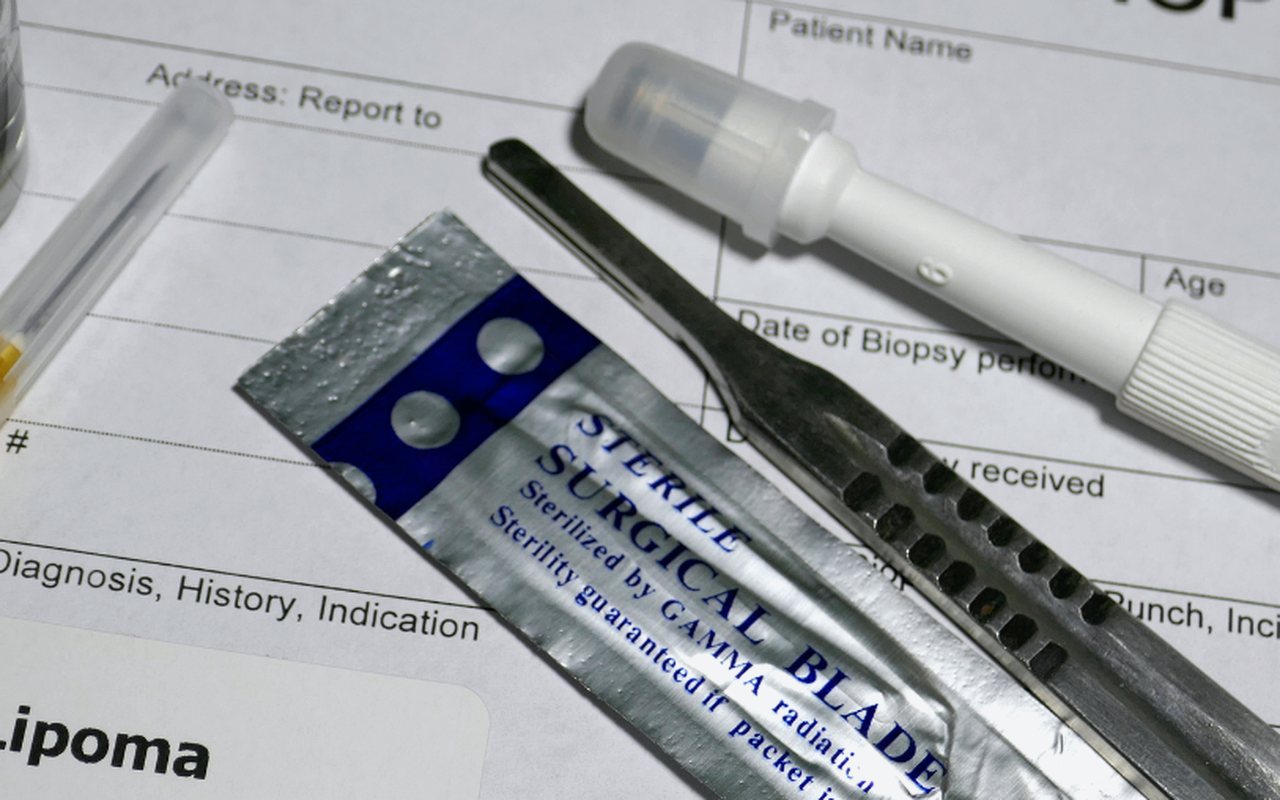
Without a histological diagnosis there is no correct treatment. The biopsy answers the question: what exactly is this.
See the procedure
There are abdominal presentations measured in hours. This is the list of the ones that cannot wait for Monday's appointment.
See the procedureSEVERE ABDOMINAL PAIN THAT DOES NOT LET UP, fever with pain in the right side of the abdomen, VOMITING THAT PREVENTS KEEPING FLUIDS DOWN, distension with no gas or bowel movements, A HERNIA THAT HAS TURNED HARD AND CANNOT BE PUSHED BACK IN, or vomiting or stool WITH BLOOD. Go to an emergency department immediately and call (662) 282-1787.
Only if you have had the study that corresponds to your age and clinical features. Having haemorrhoids is very common and does not protect you from also having something else. Attributing all rectal bleeding to haemorrhoids without investigating is, by some distance, the costliest error in this field.
The usual screening recommendation starts around 45 to 50 in people without risk factors. It is brought forward with a family history of colorectal cancer or polyps, with inflammatory bowel disease, or with red-flag symptoms at any age.
Most cases are sporadic, but a family history in first-degree relatives clearly increases risk and brings forward the screening age. There are also less common hereditary syndromes requiring specific surveillance and family study.
In many colonic resections, no. It may be needed temporarily to protect a low rectal join, and it can be permanent in some very low tumours. It is a conversation held before surgery, with the expected and the possible scenario explained clearly.
One consultation with your ultrasound or CT in hand is worth more than ten internet searches. Book by phone or through the form and you will be told what is there, what it means and what your options are.