
- Home
- Procedures
- Colon and rectal surgery in Tijuana
Colon and rectal surgery in Tijuana
Laparoscopic resection of colonic and rectal segments for diverticular disease, colorectal cancer, Crohn's disease and ulcerative colitis, with oncological criteria where they apply.
Which diseases lead to operating on the colon
The four main ones are complicated or recurrent diverticular disease, colorectal cancer, Crohn's disease with stricture or fistula, and ulcerative colitis unresponsive to medical treatment. To these are added polyps that cannot be removed at colonoscopy, volvulus and some emergencies from obstruction or perforation.
The point worth being clear about is that none of these diseases is operated on «for existing». Surgery follows a complication, repeated episodes that erode quality of life, failure of properly conducted medical treatment, or a diagnosis of a lesion with malignant potential or already malignant. Outside that, it is investigated and monitored.
How the resection is performed
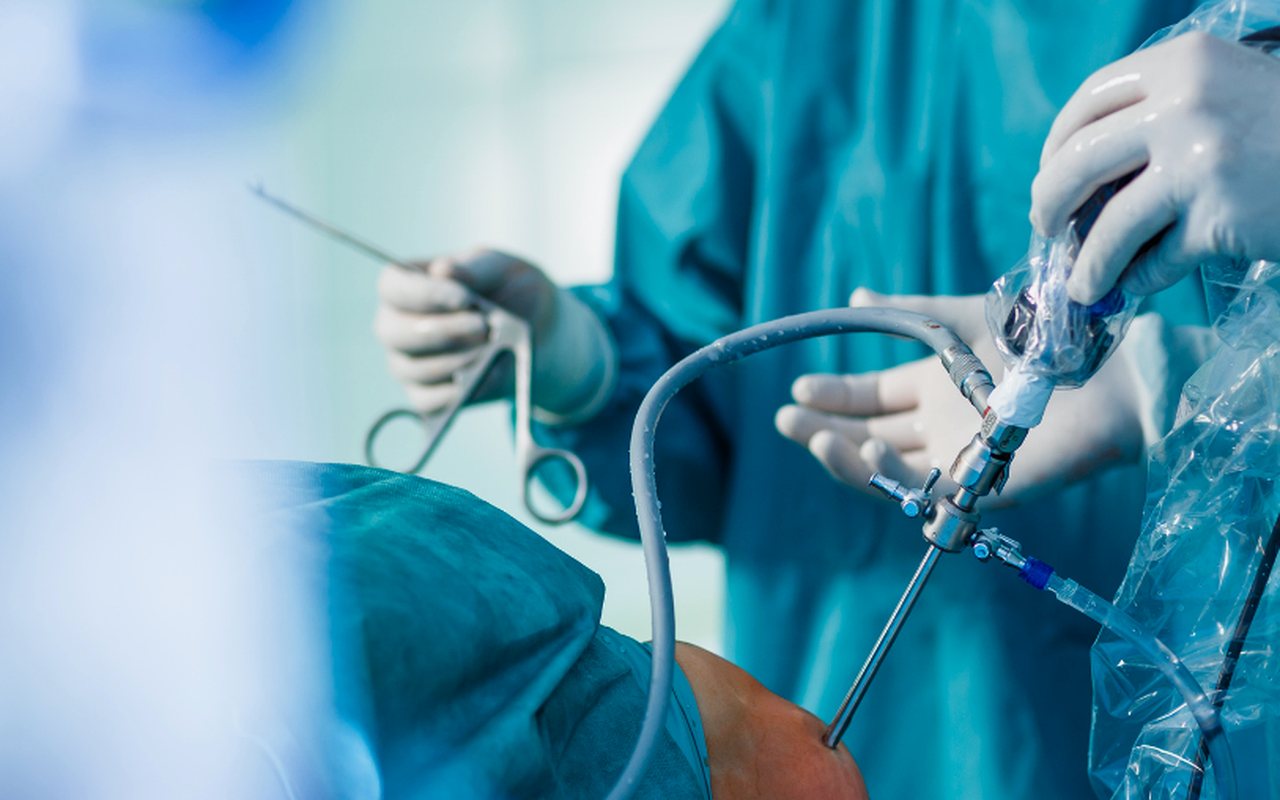
Most colorectal surgery today is done laparoscopically. The affected segment is mobilised, its vessels controlled, it is resected with adequate margins, and continuity of the bowel is restored with an anastomosis, hand-sewn or stapled.
In cancer surgery two objectives are non-negotiable: obtaining tumour-free margins and performing an adequate lymphadenectomy, with the node count the protocol demands for correct staging. The route of access is chosen to meet that, not the other way round. If laparoscopy does not allow it in a given case, the abdomen is opened.
The conversation about a stoma
It is the question that causes most anxiety and it deserves a direct answer. In many planned colonic resections no stoma is needed: the segment is resected, the bowel joined, and the patient passes stool naturally from the start.
In other cases it is indicated, and it may be temporary — to protect a low rectal join, closed weeks or months later — or permanent, when the tumour requires removing the sphincter apparatus. It also appears in emergencies, when operating on an obstructed or perforated colon does not allow a safe join. At the pre-operative visit the expected scenario and the possible one are stated explicitly, and the site is marked on the skin before surgery whenever that possibility exists.
What the procedure involves
When it is indicated
- Complicated or recurrent diverticular disease
- Colon and rectal cancer with a surgical indication
- Polyp not resectable at colonoscopy
- Crohn's disease with stricture, fistula or abscess
- Ulcerative colitis unresponsive to medical treatment
- Colonic obstruction or perforation, as an emergency
- Recurrent sigmoid volvulus
Techniques and resources
- Laparoscopic tower
- Linear and circular staplers
- Advanced energy sealing devices
- Pre-operative endoscopic tattooing of the lesion
- Enhanced recovery after surgery protocol
Frequently asked questions about colorectal surgery
In many planned resections, no. In others it may be needed temporarily to protect the join, and in some very low rectal tumours it can be permanent. It is a conversation held before surgery, with the expected and the possible scenario stated clearly — not a surprise on waking.
In a planned laparoscopic resection without complications, usually three to five days, with protocols aiming to resume diet and mobilisation early. In emergency surgery or with complications, the stay lengthens.
As screening, the usual recommendation starts around 45 to 50 years in people without risk factors, and earlier where there is a family history of colorectal cancer or polyps, or where there are symptoms. The interval afterwards is set by the previous study's result.
Bring your studies and settle the question
One consultation with your ultrasound or CT in hand is worth more than ten internet searches. Book by phone or through the form and you will be told what is there, what it means and what your options are.