

Appendix surgery
Appendicitis does not wait. It is operated on within hours, through three small incisions, with discharge usually in 24 to 48 hours.
See the procedure
The commonest abdominal surgical emergency. The pain starts near the navel and settles in the lower right. The sooner it is treated, the simpler the operation.
Appendicitis is inflammation of the appendix, a blind tube a few centimetres long attached to the start of the large bowel. It begins when its lumen obstructs: bacteria multiply, the wall inflames, pressure rises and the blood supply is compromised. If nothing interrupts it, the wall becomes necrotic and perforates.
That process has a relatively predictable timeline, usually 24 to 72 hours, which is why time is the variable that weighs most. An inflamed, unperforated appendix is resolved with a straightforward operation and a few days of recovery. A perforated appendix with peritonitis means more complex surgery, intravenous antibiotics, more days in hospital and a risk of residual abscess.
The classic picture — pain migrating from the navel to the right iliac fossa, loss of appetite, nausea, low-grade fever — is recognisable in the young adult. In small children, older adults, pregnant women and people with obesity the presentation can be atypical, and there ultrasound and CT take on a decisive role.
The procedures that may be indicated for this condition. Which one applies to you — if any does — is decided on your imaging and your examination.
Appendicitis does not wait. It is operated on within hours, through three small incisions, with discharge usually in 24 to 48 hours.
See the procedure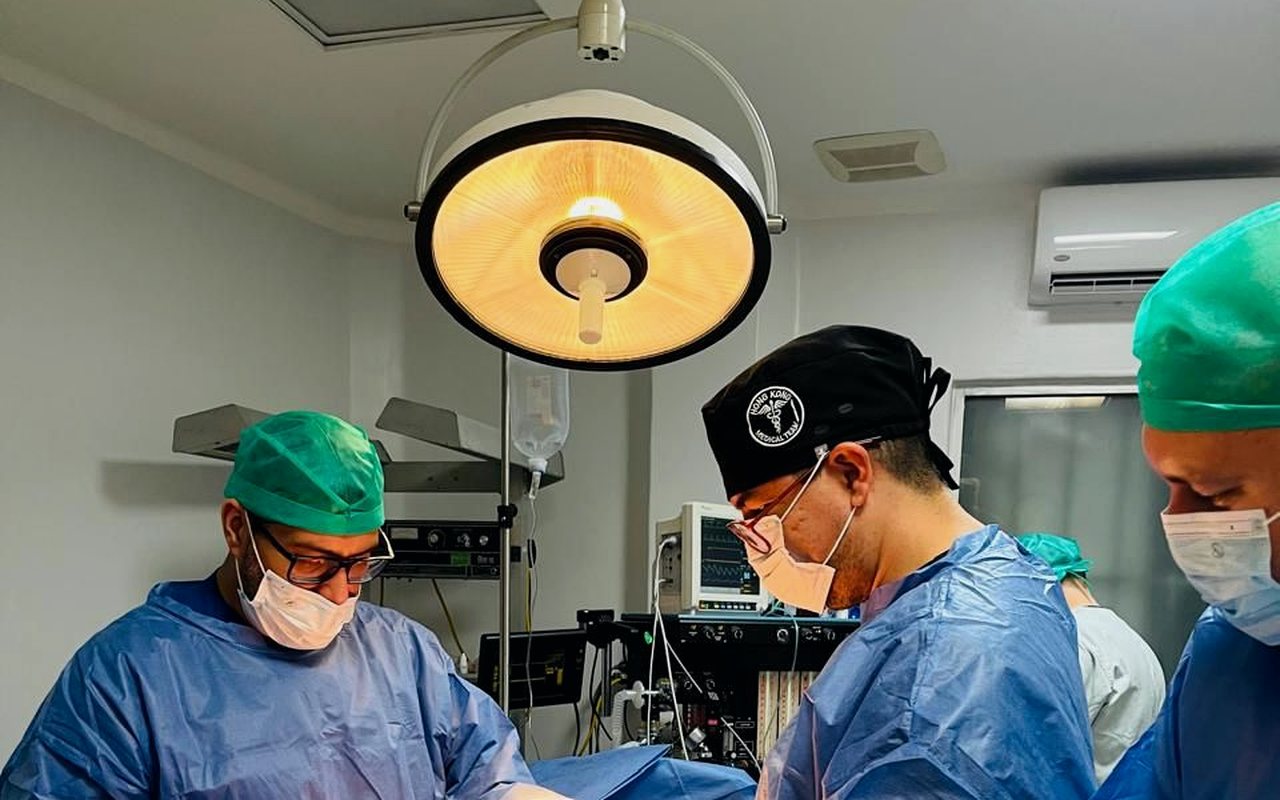
There are abdominal presentations measured in hours. This is the list of the ones that cannot wait for Monday's appointment.
See the procedure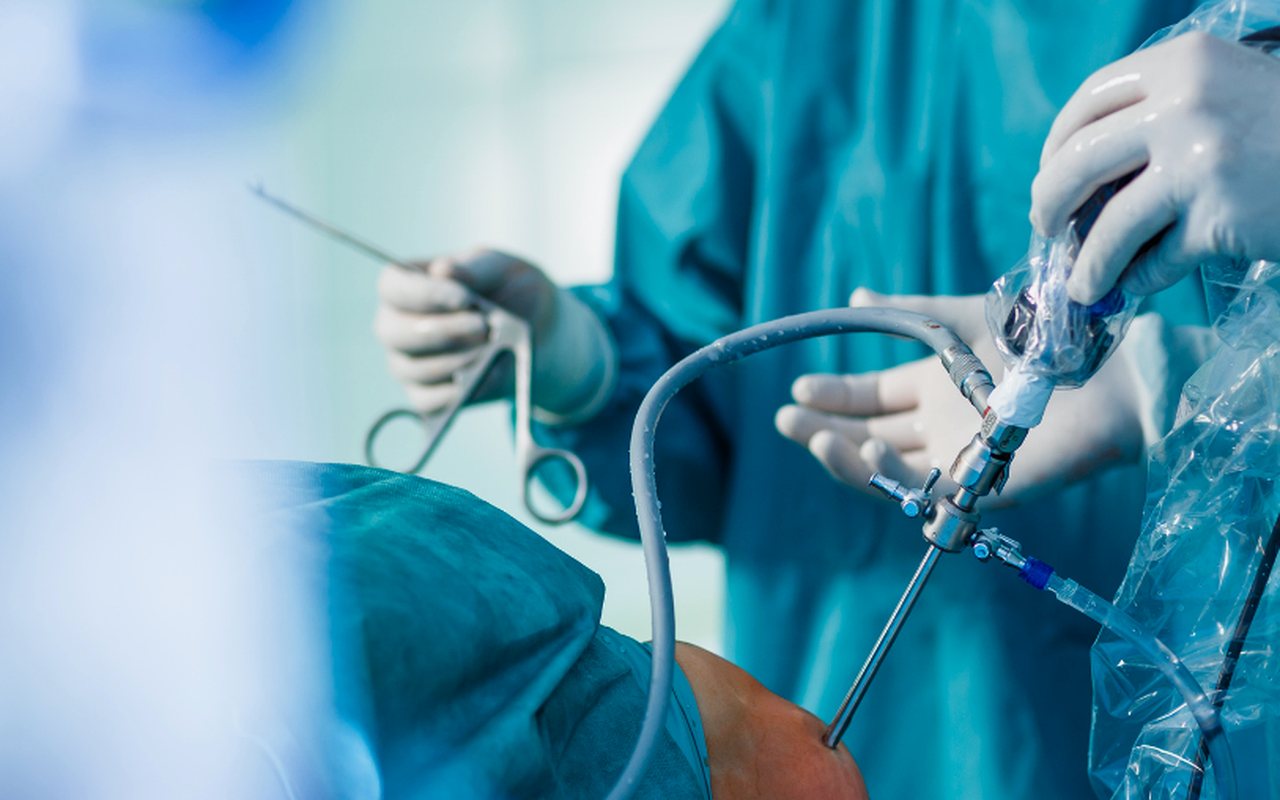
The diseased segment is resected and continuity restored. Where there is cancer, margins and lymphadenectomy rule.
See the procedureSEVERE ABDOMINAL PAIN THAT DOES NOT LET UP, fever with pain in the right side of the abdomen, VOMITING THAT PREVENTS KEEPING FLUIDS DOWN, distension with no gas or bowel movements, A HERNIA THAT HAS TURNED HARD AND CANNOT BE PUSHED BACK IN, or vomiting or stool WITH BLOOD. Go to an emergency department immediately and call (662) 282-1787.
Be careful with that moment. In some cases the pain eases exactly when the appendix perforates and internal pressure falls, and the patient believes they have improved. Hours later the pain returns, now generalised, with a rigid abdomen. Sudden relief after hours of severe pain is not reassuring: it needs assessing.
There is no established way of preventing it and its hereditary component is marginal. No diet or habit demonstrably avoids it. The only thing in your hands is not to delay assessment when the picture appears.
Gastroenteritis usually begins with abundant vomiting and diarrhoea and diffuse pain that moves around. In appendicitis the pain comes first, settles in the lower right and stays there, and loss of appetite is very characteristic. When in doubt, get assessed: the cost of a consultation is incomparably lower than that of peritonitis.
Yes, and it is the commonest non-obstetric surgical emergency during pregnancy. Presentation can be atypical because the uterus displaces the appendix, and the imaging of choice is usually ultrasound. It is treated surgically, adapting the technique to the trimester.
One consultation with your ultrasound or CT in hand is worth more than ten internet searches. Book by phone or through the form and you will be told what is there, what it means and what your options are.