
Gallbladder surgery
The gallbladder comes out, not just the stones. Laparoscopic in the great majority of cases, with discharge the next day.
See the procedure
Stones in the gallbladder. Many never cause symptoms; others produce biliary colic, cholecystitis or pancreatitis. That difference decides between watching and operating.
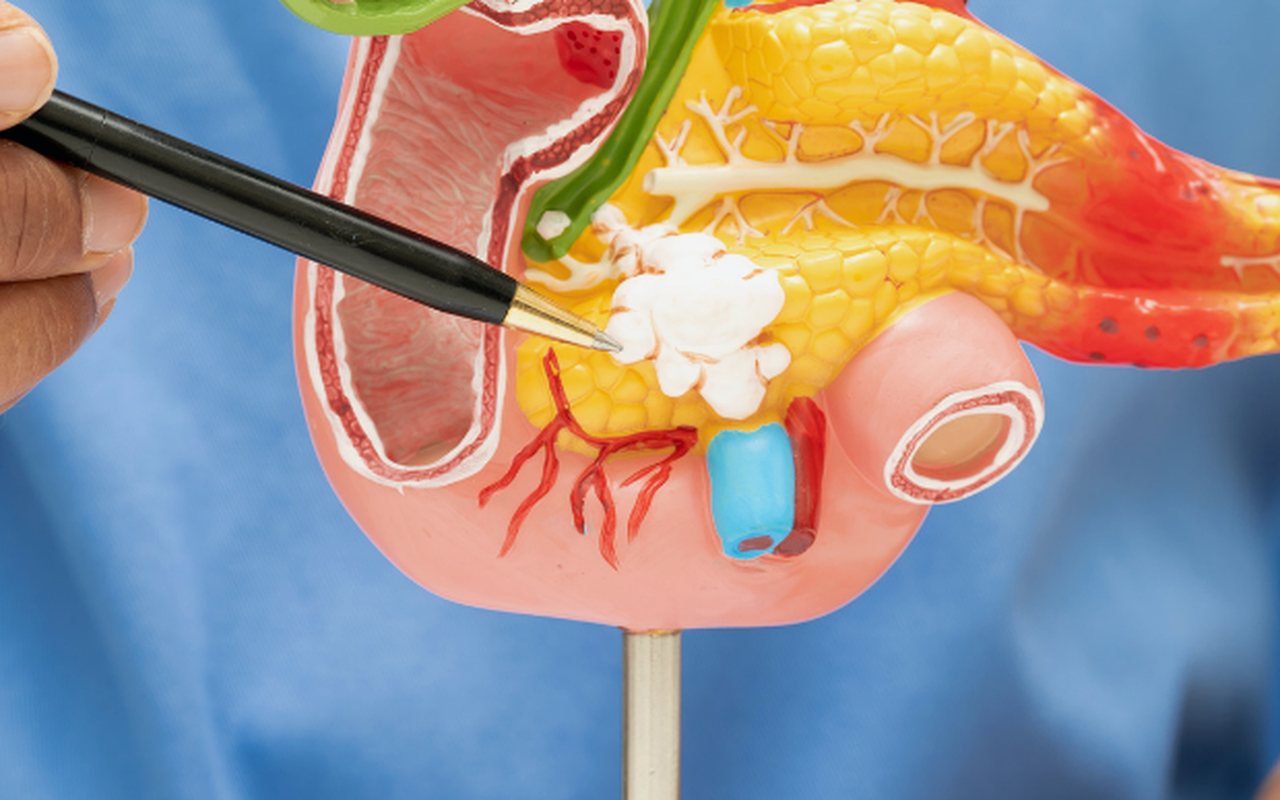
The gallbladder is a sac that stores and concentrates the bile produced by the liver. When that bile becomes unbalanced — too much cholesterol, poor emptying, hormonal change — it precipitates as crystals that grow into stones. It is one of the commonest digestive diseases and its prevalence rises with age, overweight, pregnancies and very rapid weight loss.
A significant share of people with stones never have a symptom and find out by chance on an ultrasound ordered for something else. That situation — asymptomatic cholelithiasis — is in many cases watched, not operated on. The picture changes with the first episode of biliary colic: from then on, the probability of further episodes and of complications rises steadily.
The reference study is liver and biliary ultrasound: fast, no radiation, no complicated preparation, and it detects stones with very good accuracy. It is complemented by liver function labs and, when a stone is suspected to have passed into the bile duct, by additional studies of the biliary tree.
The procedures that may be indicated for this condition. Which one applies to you — if any does — is decided on your imaging and your examination.
The gallbladder comes out, not just the stones. Laparoscopic in the great majority of cases, with discharge the next day.
See the procedure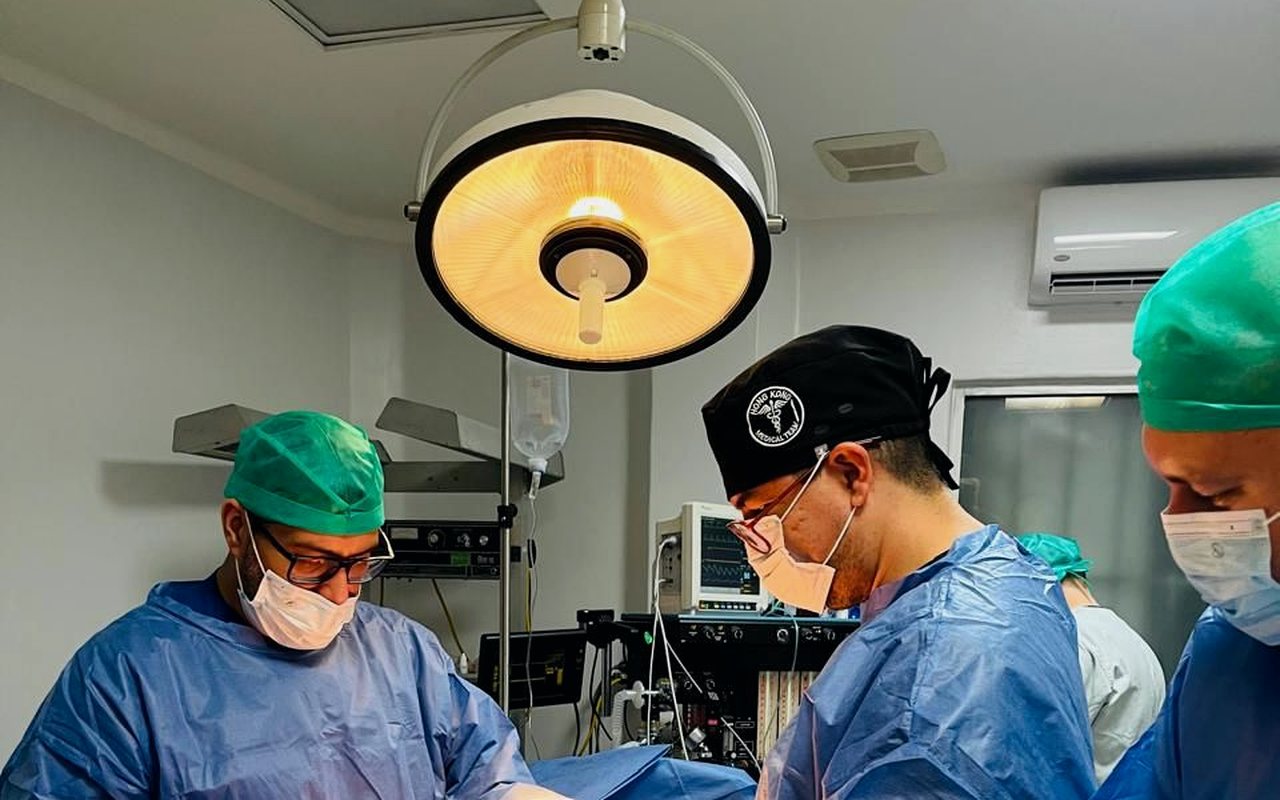
There are abdominal presentations measured in hours. This is the list of the ones that cannot wait for Monday's appointment.
See the procedure
Reflux is operated on for its consequences, not for its name. The decision is made with endoscopy and functional studies.
See the procedureSEVERE ABDOMINAL PAIN THAT DOES NOT LET UP, fever with pain in the right side of the abdomen, VOMITING THAT PREVENTS KEEPING FLUIDS DOWN, distension with no gas or bowel movements, A HERNIA THAT HAS TURNED HARD AND CANNOT BE PUSHED BACK IN, or vomiting or stool WITH BLOOD. Go to an emergency department immediately and call (662) 282-1787.
Drugs exist that dissolve certain cholesterol stones, but their use is very limited: they require small stones of a particular type, a functioning gallbladder, treatment lasting months or years, and a high proportion of patients form stones again on stopping. They are not a realistic alternative to surgery in most cases.
It has been tried and it does not work. The problem is not the stones but the gallbladder that makes them: leave the organ and the stones return. That is why the standard treatment worldwide is to remove the whole gallbladder.
In many cases, watch. Surgery is considered where factors raise the risk of complication: very large stones, a calcified gallbladder, polyps, or certain associated conditions. That assessment is individual and is made in clinic with the ultrasound in view.
Reducing fat lowers the frequency of episodes in many patients, because it is fat that makes the gallbladder contract. But diet does not dissolve stones or remove the risk of complication: it is relief, not treatment.
One consultation with your ultrasound or CT in hand is worth more than ten internet searches. Book by phone or through the form and you will be told what is there, what it means and what your options are.