
- Home
- Procedures
- Gastric bypass and mini gastric bypass in Tijuana
Gastric bypass and mini gastric bypass in Tijuana
A procedure that creates a small gastric pouch and connects it to a loop of small bowel, combining restriction, malabsorption and a favourable hormonal effect on type 2 diabetes.
What gastric bypass is, and how it differs from the sleeve
In gastric bypass a small pouch is built from the upper stomach and connected directly to a loop of small bowel, bypassing the rest of the stomach and the first stretch of intestine. Food follows a shorter path, and that modification produces three combined effects: volume restriction, a degree of malabsorption and a favourable change in the intestinal hormones that regulate appetite and glucose.
The practical difference from the sleeve is that third part. The sleeve only restricts; the bypass also reorganises the path. That makes it especially useful in two scenarios: the patient with type 2 diabetes, where the metabolic effect is greater, and the patient with significant reflux, which usually improves with bypass whereas it can worsen with a sleeve.
The mini gastric bypass
The mini gastric bypass, or one-anastomosis bypass, is a variant that builds an elongated gastric pouch and makes a single connection to the small bowel, instead of the two of the classic Roux-en-Y bypass. With one anastomosis fewer, the procedure is technically faster and removes one potential leak point.
It is one of the techniques performed in this practice and, like every option, it has its own profile of advantages and disadvantages, explained at the pre-operative visit. The choice between sleeve, Roux-en-Y bypass and mini bypass is not made by fashion or by price: it is made with body mass index, associated disease, presence of reflux, eating habits and surgical history on the table.
What it demands afterwards
The bypass has stricter follow-up requirements than the sleeve, precisely because of the malabsorptive component. Supplementation with iron, vitamin B12, calcium, vitamin D and a multivitamin is mandatory and lifelong, and control labs are how you know it is working.
Dumping syndrome should also be understood: after eating simple sugars, nausea, sweating, palpitations, cramping and diarrhoea can appear. It is unpleasant, it is prevented by the prescribed diet, and for some patients it works as a useful deterrent. It is explained beforehand, not discovered afterwards.
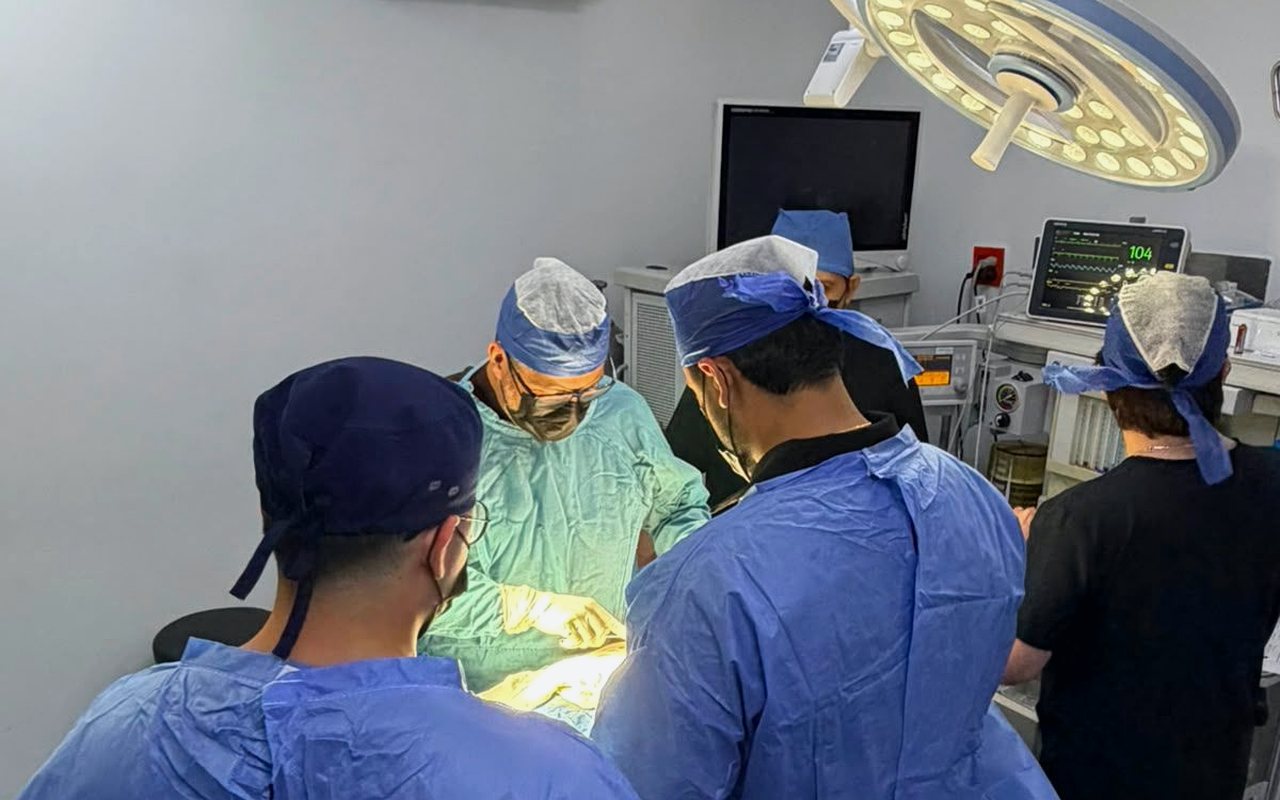
What the procedure involves
When it is indicated
- Obesity meeting criteria for bariatric indication
- Obesity associated with type 2 diabetes, for its metabolic effect
- Obesity with significant gastro-oesophageal reflux disease
- Weight regain after a previous gastric sleeve
- High body mass indices where greater weight loss is sought
- Metabolic syndrome with dyslipidaemia and fatty liver
Techniques and resources
- Laparoscopic tower
- Linear and circular staplers
- Suture material for anastomosis
- Intraoperative leak test
- Postoperative nutritional supplementation protocol
Frequently asked questions about gastric bypass surgery
There is no general answer, and be wary of anyone who gives one without examining you. The decision is made with your body mass index, your associated conditions — especially diabetes and reflux — your eating habits, your previous operations and your willingness to attend follow-up. It is discussed in clinic with the pros and cons of each option explained.
Technically a Roux-en-Y bypass can be reversed, but it is major surgery and is not part of the plan. You should enter this procedure accepting that the anatomy will be permanently modified.
It is a set of symptoms — nausea, sweating, palpitations, cramping, diarrhoea — appearing after eating simple sugars or very dense meals. Not all patients experience it and it is prevented by following the eating plan. It is explained before surgery precisely so it does not take you by surprise.
Bring your studies and settle the question
One consultation with your ultrasound or CT in hand is worth more than ten internet searches. Book by phone or through the form and you will be told what is there, what it means and what your options are.