
- Home
- Procedures
- Complex wound treatment in Tijuana
Complex wound treatment in Tijuana
Closure and care of wounds that will not heal: ulcers, dehiscence, abscesses, infected wounds and diabetic foot, with debridement, targeted dressings and closure once the bed allows it.
Why a wound does not close
A wound that does not heal within the expected time is not a dressing problem: it is a problem with a cause. The four commonest are persistent infection, devitalised tissue occupying the bed, insufficient blood supply and repeated pressure over the same area.
Behind those four there is usually an underlying disease: poorly controlled diabetes, venous or arterial insufficiency, malnutrition, immunosuppression or smoking. Treating the wound without treating the cause produces the familiar cycle of endless dressings. That is why the first consultation is devoted as much to the patient as to the wound.
Surgical treatment of the wound
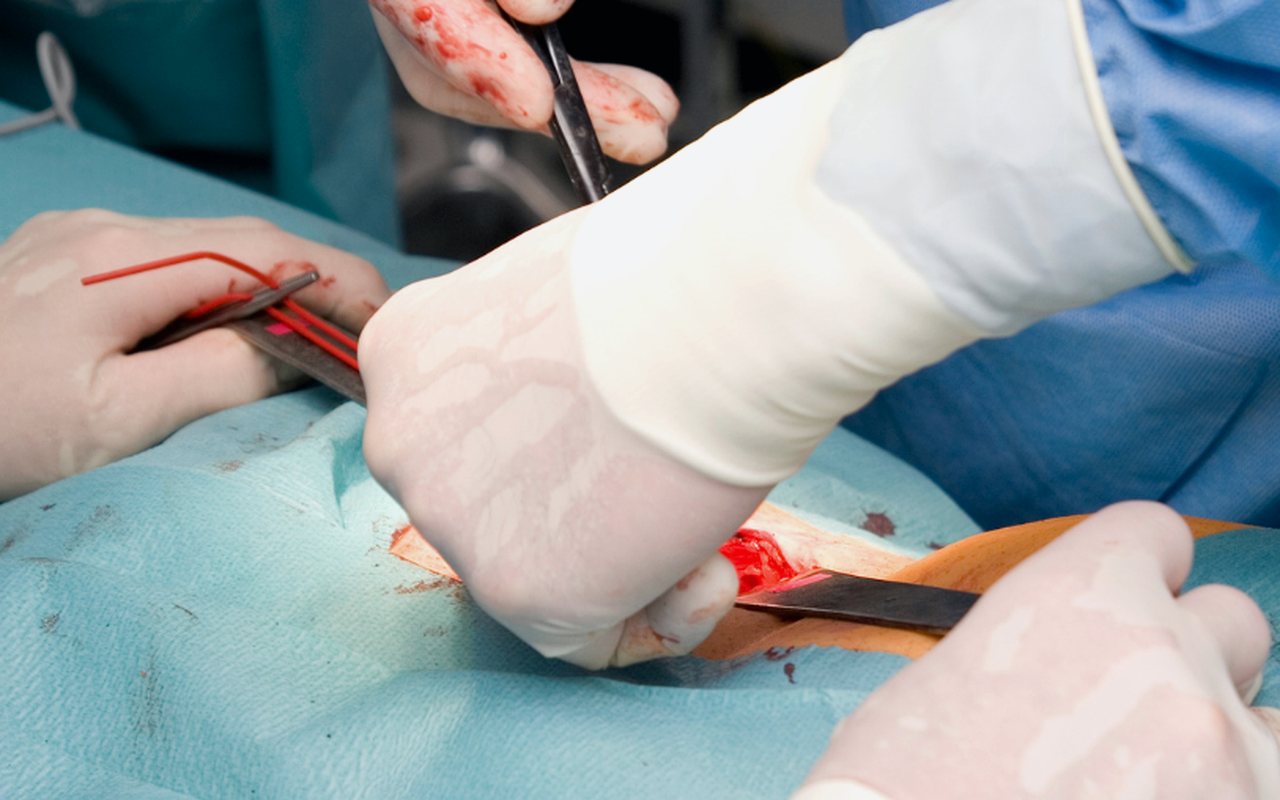
The central step is debridement: removing the necrotic tissue and fibrinous material that prevent the bed from granulating. It is done in theatre or in clinic according to extent, and it often has to be repeated. A clean bed is the condition for everything else.
In parallel, infection is controlled with culture and targeted antibiotics — not with indefinite broad-spectrum cover — collections are drained, and the dressing is chosen by the phase of the wound. When the bed is ready, closure is decided: direct, with negative pressure wound therapy, or with a graft or flap where tissue loss demands it.
Diabetic foot deserves its own paragraph
It is the commonest complex wound in this practice and the most underestimated. An ulcer on the foot of a diabetic patient is not a graze: it is an urgent assessment, because neuropathy means it does not hurt and vascular disease means it does not heal.
Treatment combines debridement, infection control, offloading pressure from the area — the part most often neglected — and strict glucose control. Vascular assessment is indispensable: without sufficient flow, no dressing closes a wound. GO THE SAME DAY if there is spreading redness, a bad smell, purulent discharge, black areas or fever.
What the procedure involves
When it is indicated
- Surgical wound with dehiscence or infection
- Diabetic foot ulcer
- Venous and arterial lower-limb ulcers
- Abdominal wall or soft-tissue abscess
- Traumatic wound with tissue loss
- Pressure ulcer in a patient with limited mobility
- Chronic wound that will not close despite prolonged dressing care
Techniques and resources
- Debridement instrument set
- Negative pressure wound therapy system
- Advanced dressings matched to wound phase
- Culture and sensitivity testing
- Coordination with vascular surgery, nutrition and endocrinology
Frequently asked questions about complex wound treatment
The question changes. Instead of persisting with the same dressing, the reason it will not close is sought: cultures are taken, limb blood flow is assessed, glucose control and nutritional status are reviewed, and the tissue preventing granulation is debrided. Without correcting the cause, no dressing works.
That cannot be answered without seeing the wound and assessing blood flow. What can be said is that the factor weighing most is time: an ulcer assessed early has possibilities that one infected for weeks no longer has. WITH SPREADING REDNESS, BAD SMELL, BLACK AREAS OR FEVER, GO THE SAME DAY.
It is done under local anaesthesia or, if the extent requires it, in theatre with sedation or regional anaesthesia. Wide debridement is not performed without adequate analgesia.
Bring your studies and settle the question
One consultation with your ultrasound or CT in hand is worth more than ten internet searches. Book by phone or through the form and you will be told what is there, what it means and what your options are.