
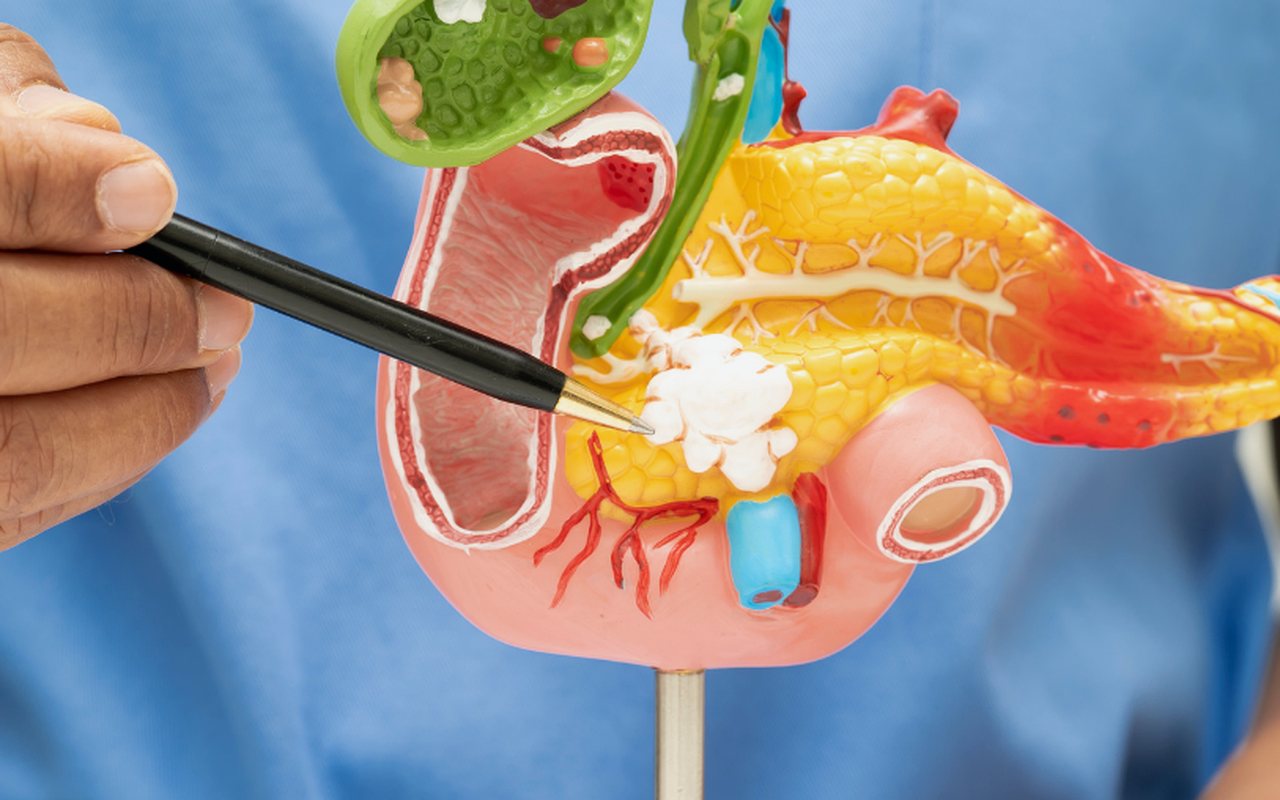
Stomach surgery
The ulcer is treated with medication; its complication is operated on. A gastric tumour is operated on with oncological criteria.
See the procedure
Burning and pain in the pit of the stomach. Almost everything is resolved with medication and eradication of Helicobacter pylori; the surgeon enters with the complication.
Gastritis is inflammation of the stomach lining, and peptic ulcer is a loss of substance reaching deeper layers, in the stomach or the duodenum. Their two main causes are Helicobacter pylori infection and the use of non-steroidal anti-inflammatory drugs, joined by smoking, alcohol and severe physiological stress.
Diagnosis is made by endoscopy, which sees the lesion directly, allows biopsies and detects the infection. That last point matters: eradicating Helicobacter pylori where present changes the natural history of the disease entirely and prevents relapse.
Treatment is medical in the vast majority of cases: proton-pump inhibitors, eradication of the bacterium where appropriate, stopping anti-inflammatories and changes of habit. Surgery is reserved for complications — perforation, uncontrollable bleeding, obstruction — and for gastric tumours.
The procedures that may be indicated for this condition. Which one applies to you — if any does — is decided on your imaging and your examination.
The ulcer is treated with medication; its complication is operated on. A gastric tumour is operated on with oncological criteria.
See the procedure
There are abdominal presentations measured in hours. This is the list of the ones that cannot wait for Monday's appointment.
See the procedure
Reflux is operated on for its consequences, not for its name. The decision is made with endoscopy and functional studies.
See the procedure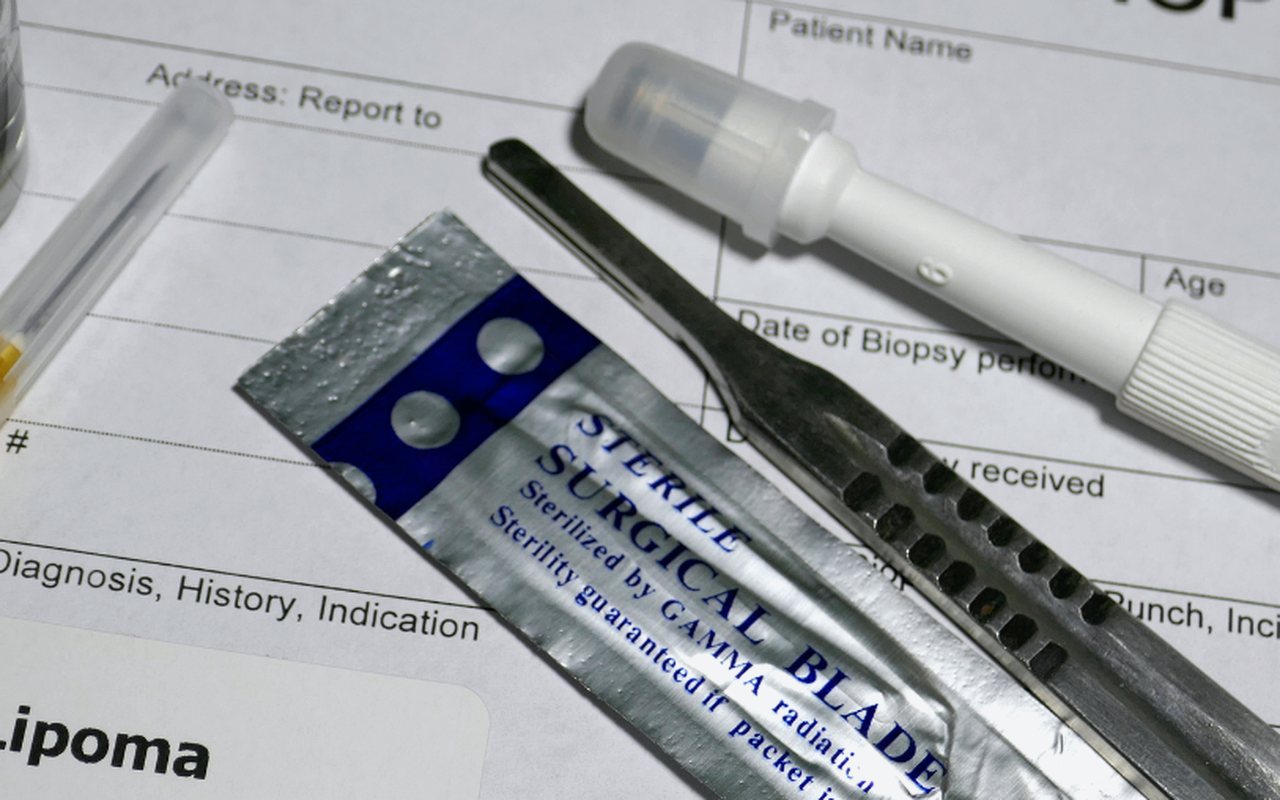
Without a histological diagnosis there is no correct treatment. The biopsy answers the question: what exactly is this.
See the procedureSEVERE ABDOMINAL PAIN THAT DOES NOT LET UP, fever with pain in the right side of the abdomen, VOMITING THAT PREVENTS KEEPING FLUIDS DOWN, distension with no gas or bowel movements, A HERNIA THAT HAS TURNED HARD AND CANNOT BE PUSHED BACK IN, or vomiting or stool WITH BLOOD. Go to an emergency department immediately and call (662) 282-1787.
Practically never. Gastritis is treated with medication, eradicating Helicobacter pylori where present, stopping anti-inflammatories and correcting habits. If someone proposes operating on simple gastritis, seek a second opinion before agreeing.
The popular idea overstates its role: most ulcers are due to Helicobacter pylori or to anti-inflammatory drugs. That said, severe physiological stress — a critically ill patient, an extensive burn, major surgery — does produce stress ulcers, which are a different picture from everyday stress.
It depends on the finding. A gastric ulcer usually requires a control endoscopy to confirm healing and rule out malignancy. Other findings, such as mild gastritis without red flags, do not require routine repetition. The interval is set according to your report.
Because non-steroidal anti-inflammatory drugs damage the protective barrier of the gastric lining and are one of the two main causes of ulcer. If you need an analgesic on a sustained basis, alternatives can be prescribed; what does not work is continuing the anti-inflammatory while treating the ulcer.
One consultation with your ultrasound or CT in hand is worth more than ten internet searches. Book by phone or through the form and you will be told what is there, what it means and what your options are.