
- Home
- Procedures
- Surgical emergencies in Tijuana, 24/7
Surgical emergencies in Tijuana, 24/7
Appendicitis, complicated gallbladder disease, an incarcerated hernia, bowel obstruction, perforation and acute abdomen. Emergency care 24 hours a day at (662) 282-1787.
What an acute abdomen is
Acute abdomen is the name for recent-onset abdominal pain that may require urgent surgery. It is not a diagnosis, it is a warning: under that name fall appendicitis, acute cholecystitis, perforated ulcer, bowel obstruction, complicated diverticulitis, intestinal ischaemia and strangulated hernia.
What they share is that time counts. In almost all of these, the difference between a straightforward operation and a complicated one, or between a recovery of days and one of weeks, is decided in the first hours. That is why what follows is not decoration: it is the most useful part of this page.
The signs that mean going to an emergency department
Go immediately, without waiting for an appointment, with any of these: SEVERE ABDOMINAL PAIN THAT DOES NOT SETTLE within a few hours or that worsens progressively. PAIN THAT SETTLES IN THE LOWER RIGHT of the abdomen, with nausea, loss of appetite and fever. FEVER WITH PAIN IN THE UPPER RIGHT SIDE and yellowing of skin or eyes.
Also: VOMITING THAT PREVENTS KEEPING FLUIDS DOWN, or vomiting of intestinal content. A DISTENDED ABDOMEN WITH NO GAS OR BOWEL MOVEMENTS. A HERNIA THAT HAS TURNED HARD AND PAINFUL AND CANNOT BE PUSHED BACK IN. VOMITING BLOOD OR BLACK STOOLS. And a rigid, board-like abdomen that hurts on the slightest movement. In any of these cases: emergency department first, consultation afterwards.
How a surgical emergency is handled
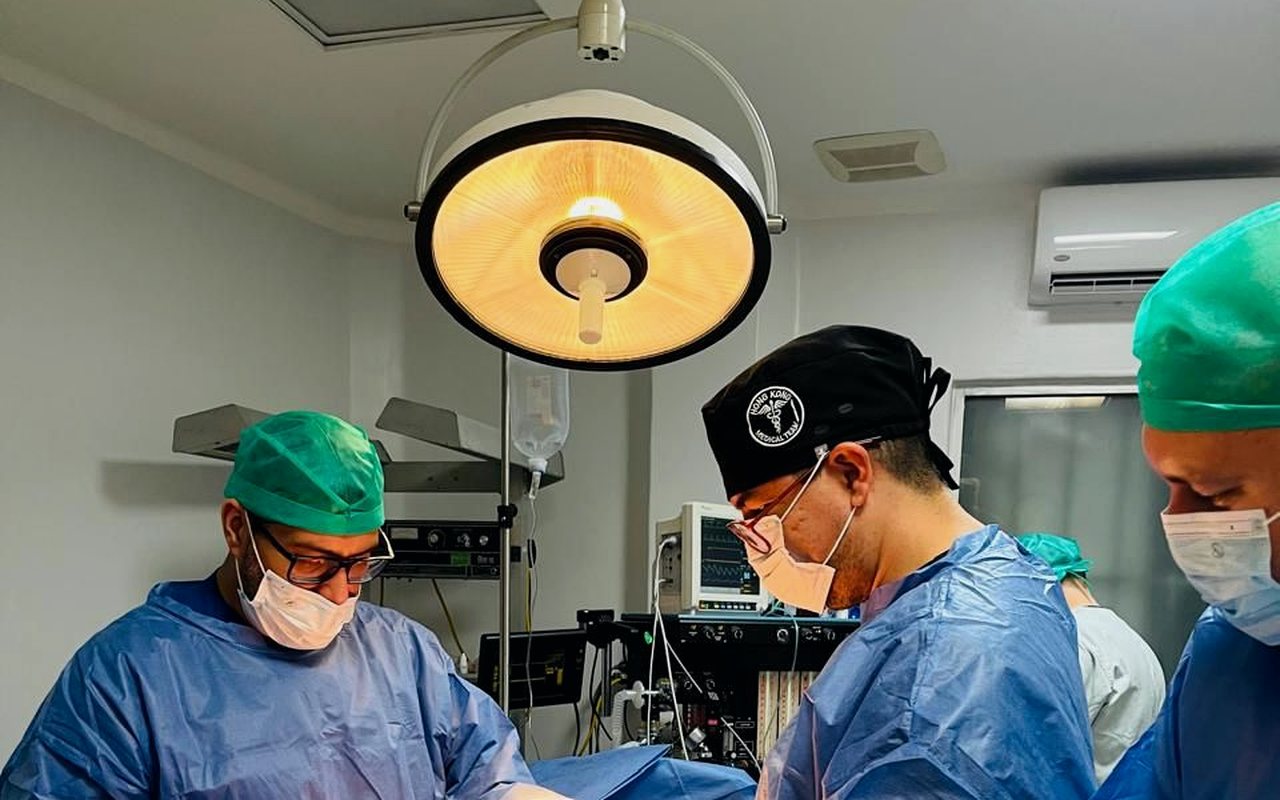
Care begins with stabilising: intravenous access, fluids, pain control and labs. In parallel the appropriate imaging is done, almost always abdominal ultrasound or CT, and it is decided whether there is an immediate surgical indication, a deferred one, or whether management is medical.
Not every abdominal emergency ends in theatre, and that has to be said too. Many cases of diverticulitis, some adhesive obstructions and certain cases of cholecystitis are managed initially with antibiotics, fasting and observation, with planned surgery later. The decision is made on data, not in haste.
What the procedure involves
When it is indicated
- Acute appendicitis
- Acute cholecystitis and complicated biliary colic
- Incarcerated or strangulated hernia
- Bowel obstruction from adhesions, hernia or tumour
- Perforation of a hollow viscus and peritonitis
- Complicated diverticulitis with abscess or perforation
- Gastrointestinal bleeding with haemodynamic impact
- Abdominal wall and soft-tissue abscesses
Techniques and resources
- Emergency operating theatre
- Laparoscopic tower available out of hours
- CT and ultrasound support
- Targeted antibiotic therapy
- Perioperative fluid and analgesia management
Frequently asked questions about surgical emergencies
(662) 282-1787, which is the emergency line and is available 24 hours a day, 7 days a week. For non-urgent matters the office number is (664) 108-6258, during consultation hours. DO NOT EMAIL AN EMERGENCY: email is not checked overnight.
If any of the red flags above are present, go to an emergency department immediately and call on the way or from there. In an abdominal emergency time matters more than procedure; nobody has to authorise an emergency assessment for you.
Identification, the list of medications you take, known allergies, previous studies if they are to hand, and details of your chronic conditions. If the patient cannot speak for themselves, the companion provides that information. Do not waste time hunting for papers: go, and have someone bring them later.
Bring your studies and settle the question
One consultation with your ultrasound or CT in hand is worth more than ten internet searches. Book by phone or through the form and you will be told what is there, what it means and what your options are.