
Pre-operative studies and what they are really for
Before scheduling, labs are requested — blood count, chemistry, clotting, blood group — and, depending on age and associated conditions, an ECG, a chest film or a cardiology review. This is not paperwork: it is what allows a problem to be anticipated instead of found asleep in theatre.
If you have chronic conditions, bring your latest results to the pre-operative visit: glycated haemoglobin if you are diabetic, blood pressure readings if hypertensive, renal or liver function studies if you have them. Poor control detected in time is corrected in weeks; found on the day of surgery, it postpones it.
Medications: the point that causes most trouble
Make a complete list of everything you take, including what you do not consider «medication»: supplements, vitamins, herbal remedies, natural products. Some herbal products increase bleeding and many patients do not mention them because they do not think of them as medicine.
The critical group is anticoagulants and antiplatelets: warfarin, acenocoumarol, apixaban, rivaroxaban, clopidogrel and aspirin. They are usually stopped days before surgery, but — and this matters — that pause is coordinated with the doctor who prescribed them, never on your own. Stopping an anticoagulant without judgement can be more dangerous than the operation itself.
Stopping smoking: not brochure advice
Tobacco reduces tissue oxygenation, worsens wound healing, increases respiratory complications of anaesthesia and measurably raises the risk that a repaired hernia comes back. It is one of the few things the patient can change themselves that changes the result.
The earlier you stop the better, but even a few weeks of abstinence before surgery brings benefit. If you need support to manage it, ask at the pre-operative visit: it is a reasonable request and there are resources for it.
The days before and the night before
You will be given a fasting instruction, usually eight hours without solids, with specific guidance on clear fluids. Follow it exactly: it is not a formality, it is anaesthetic safety. A «small» breakfast can postpone a scheduled operation.
The night before, shower, remove nail polish and false nails — the oximeter needs to read the colour of the nail bed — and leave jewellery, piercings and contact lenses at home. Have loose, comfortable clothes ready for the journey back. And if you were told to take a medication with a sip of water on the morning of surgery, take it: the fasting instruction does not cancel that one.
The day of surgery
Arrive at the time given, with your studies, your identification and your companion. The companion is not optional in day surgery: after sedation or general anaesthesia you cannot drive or return alone, and you need someone with you for the first hours.
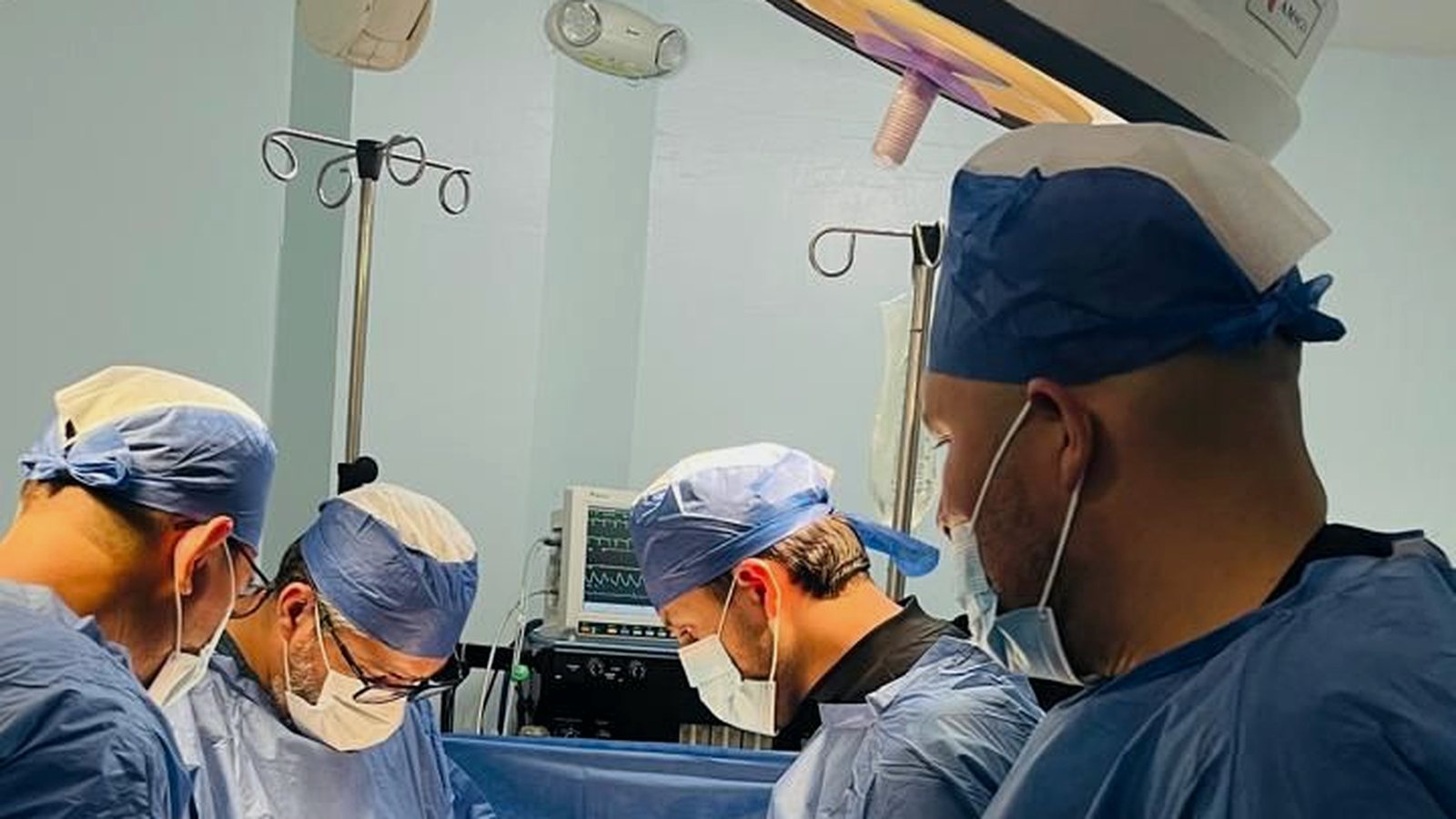
Before going into theatre the procedure and the site will be confirmed and the informed consent reviewed. That is the moment to ask what is still unresolved. If something is not clear — what will be done, what the risks are, what to expect afterwards — ask it there. Nobody serious minds.
Prepare the homecoming too
It is the part least planned and the most appreciated. Have the prescribed analgesics bought in advance, simple food ready for the first days, and settled who helps with tasks involving exertion during the first weeks.
Ask beforehand, not afterwards: when you can shower, when you can drive, when you can return to work, how much you can lift and when the follow-up visit is. That information is handed over in writing at discharge, along with the signs that mean calling without waiting.
Bring your studies and settle the question
One consultation with your ultrasound or CT in hand is worth more than ten internet searches. Book by phone or through the form and you will be told what is there, what it means and what your options are.